
Where Do Hanoi Locals Actually Eat Bun Cha?
A first-time visitor’s guide to finding authentic bun cha beyond tourist restaurants in Hanoi, Vietnam.
Quick Answer
If you want the most authentic bun cha experience in Hanoi, avoid choosing restaurants only because they appear in guidebooks, viral videos or tourist maps. Many Hanoi locals prefer small family-run eateries in Ba Dinh, Dong Da, Long Bien and residential corners around Hoan Kiem where recipes have stayed consistent for years. The strongest local signal is simple: a charcoal grill, a busy lunch crowd, fresh herbs on every table and customers who look like they come back every week.
Bun cha is not just one of Hanoi’s most famous dishes. It is a daily rhythm of the city. At lunchtime, smoke rises from charcoal grills, bowls of sweet-sour fish sauce broth are prepared quickly, herbs are washed and stacked, and office workers, families and students sit close together over bowls of rice noodles and grilled pork. For first-time visitors, the dish may seem easy to find because signs for bun cha appear everywhere. The harder question is where locals actually eat it when they are not trying to impress a tourist.
The answer is rarely as simple as one famous restaurant. Hanoi locals usually choose bun cha based on habit, neighborhood convenience, taste memory and trust. A shop near an office, a family-run place down a small lane, or a simple eatery beside a market may matter more than a restaurant with a polished signboard. This guide helps you understand how to identify those places and how to enjoy bun cha in a way that feels connected to real Hanoi life.
Why Tourists and Locals Often Eat at Different Bun Cha Restaurants
Many first-time visitors begin with famous restaurants near the Old Quarter, Hoan Kiem Lake or places they have seen on travel shows. There is nothing wrong with that. Some famous bun cha shops are famous for good reasons. But popularity changes the dining environment. Restaurants that receive many foreign guests may adjust their service style, pricing, seating rhythm and sometimes even flavor balance to suit a broader audience.
Locals often think differently. They may care less about the name and more about whether the grilled pork has the right smoky edge, whether the dipping broth feels balanced, whether the herbs are fresh, and whether the restaurant is consistent on a normal weekday. A local favorite may have plastic stools, a narrow entrance and no English menu, but it may also have the exact flavor profile Hanoi residents associate with childhood lunches, office breaks and family routines.
Hanoi Jeep Food Tour
Street food, local neighborhoods and authentic Hanoi flavors by vintage jeep.
From $50
View Tour
Local Tip
The busiest local bun cha shops are usually active between 11:00 AM and 1:30 PM. If you walk past a small place and see office workers, students or neighborhood families eating quickly, that is often a stronger quality signal than a large tourist sign.
What Makes Great Hanoi Bun Cha?
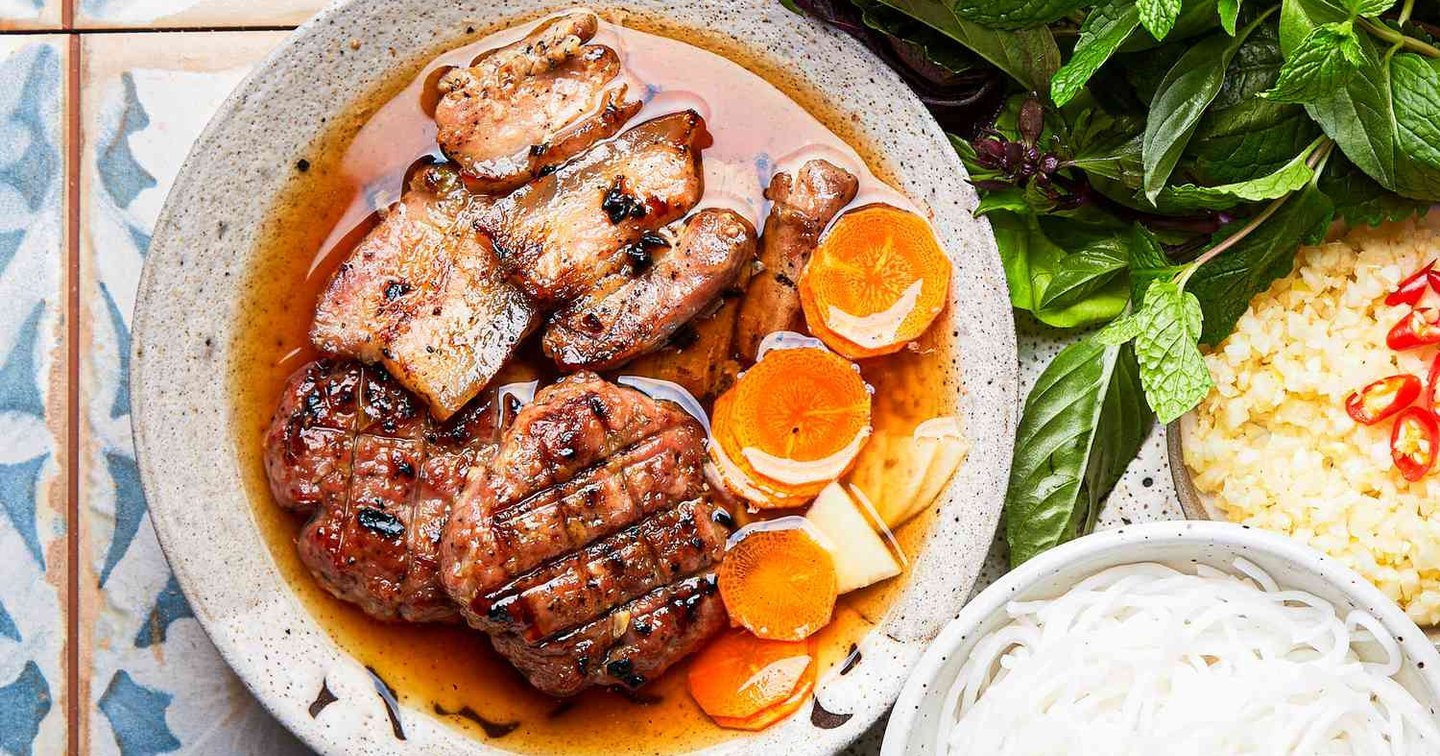
Great bun cha depends on balance. The pork should be grilled over charcoal until the edges are slightly caramelized, smoky and fragrant. It should not taste burnt or dry. The dipping broth should be warm or room temperature, lightly sweet, gently sour and savory from fish sauce. The rice noodles should be soft but not mushy, and the herbs should be fresh enough to brighten each bite.
There are usually two styles of pork in a good serving: minced pork patties and thin slices of pork belly or shoulder. The patties bring tenderness and seasoning, while the slices bring fat, char and texture. The broth often includes pickled green papaya or carrot, which adds crunch and acidity. Diners combine noodles, herbs and pork in the broth, adjusting with chili, garlic or kumquat depending on personal taste.
Neighborhoods Where Hanoi Locals Commonly Eat Bun Cha
Instead of searching only for a single restaurant name, it is more useful to understand Hanoi by neighborhood. Each area has its own lunch rhythm, customer base and food personality. Some neighborhoods are better for office-style bun cha, while others are better for older family-run eateries or quieter local dining streets.
| Area | Why Locals Like It | Best For | Visitor Tip |
|---|---|---|---|
| Ba Dinh | Long-established family restaurants, government office lunch crowds and quieter residential streets. | Traditional bun cha with a calmer local atmosphere. | Walk away from main monuments and look for small lunch places on side streets. |
| Dong Da | Student areas, office workers and practical everyday restaurants with strong local turnover. | Good-value bun cha and lively lunch energy. | Arrive before peak lunch if you want a seat without waiting. |
| Long Bien | Less touristy local neighborhoods across the river with traditional family-run eateries. | Visitors who want a more residential Hanoi food experience. | Combine food with Long Bien Bridge and Red River neighborhood exploration. |
| Old Quarter Backstreets | Historic food culture still exists behind the busiest tourist-facing streets. | First-time visitors who want convenience but still want local atmosphere. | Skip the most obvious storefronts and explore smaller alleys around the edges. |
| West Lake Edges | Mixed local and expat areas with hidden neighborhood food stops away from lakefront cafes. | A slower food walk with local markets and residential lanes. | Look behind the main lake roads rather than only on the waterfront. |
How to Recognize a Local Bun Cha Place
A local bun cha restaurant does not always look polished. In fact, many of the most memorable places are modest. You may see a small grill near the entrance, bowls stacked near the kitchen, herbs prepared in baskets and customers sitting shoulder to shoulder. The menu may be short because the restaurant specializes in one thing and does it every day.
Look for signs of freshness and rhythm. A busy lunch service means the pork is grilled continuously instead of sitting for too long. Fresh herbs should look green and crisp. The broth should smell balanced rather than overly sweet. The staff may move quickly, and the service may feel direct, but that is often part of the everyday Hanoi dining rhythm.
Should You Visit Famous Bun Cha Restaurants?
Yes, if you are curious. Famous bun cha restaurants can be part of the Hanoi experience, especially for first-time visitors who want a recognizable starting point. But do not stop there. A famous restaurant can introduce the dish, while a neighborhood eatery can show you how bun cha fits into daily life.
The best approach is to try at least two styles: one well-known restaurant and one local neighborhood place. This gives you a better sense of how recipes differ. Some broths are sweeter, some are more fish-sauce forward, some pork is fattier, and some restaurants serve more generous herbs or spring rolls. Bun cha is not a single fixed flavor. It changes subtly by family, street and district.
Expert Insight From Eco Trip Asia
After guiding thousands of travelers through Hanoi’s neighborhoods, we find that visitors enjoy bun cha most when they discover it within a broader local context. The dish becomes more meaningful when you see the markets, backstreets, family businesses, charcoal grills and daily lunch routines around it. That is why a food stop inside a local neighborhood often feels more memorable than simply arriving at a famous restaurant by taxi.
How First-Time Visitors Can Eat Bun Cha Like a Local
Eating bun cha is simple, but a few small habits make the experience feel more natural. Locals usually do not pour everything together at once. They dip or combine bites gradually, balancing noodles, herbs, pork and broth. Chili and garlic are optional. Add them slowly because each restaurant’s broth already has its own balance.
Eco Electric Scooters Food Tour
Local Hanoi food, hidden neighborhoods and eco electric scooter exploration.
From $49
View Tour
- Go around lunchtime for the most traditional experience.
- Choose a place with visible grilling and steady local turnover.
- Try both pork patties and grilled pork slices before adding extra chili.
- Use herbs generously because they are part of the flavor, not decoration.
- Order fried spring rolls if you want a fuller meal.
- Do not judge the restaurant only by decor; judge it by aroma, freshness and local customers.
Common Mistakes Visitors Make When Choosing Bun Cha
The first mistake is assuming that the most photographed restaurant must be the most local. Viral popularity often attracts visitors, but it can also change the atmosphere. The second mistake is eating bun cha too late in the day, when some shops have already sold most of their best portions. The third mistake is choosing a restaurant on a main tourist street without checking whether local customers are actually eating there.
Another common mistake is expecting every bun cha restaurant to taste exactly the same. Hanoi locals often debate their favorite places because preferences differ. Some people like a sweeter broth. Others prefer deeper fish sauce flavor. Some want very smoky pork, while others prefer softer patties. The variety is part of what makes the dish interesting.
Beyond the Old Quarter: Why Local Food Is Often Better Outside Tourist Streets
The Old Quarter is convenient, historic and exciting, but it is also the area where tourism most strongly shapes restaurant behavior. Local food still exists there, especially in backstreets and older family-run corners, but you need to look carefully. Outside the most tourist-heavy streets, the dining rhythm becomes more local. Prices may feel more normal, menus may be shorter, and restaurants may focus less on presentation and more on consistency.
For a deeper view of the city beyond tourist zones, explore guides such as hidden gems in Hanoi, non-touristy things to do in Hanoi, and where Hanoi locals go to escape tourists. These local-first routes help visitors understand how food, neighborhoods and daily life connect.

Hanoi Jeep City Tour
Hidden streets, local life, history, culture and food by vintage jeep.
From $45
View Tour
GEO Context Box
Authentic bun cha culture stretches across Hanoi, including Hoan Kiem, Ba Dinh, Dong Da, Long Bien, West Lake neighborhoods, local markets, hidden backstreets and residential lanes connected by Long Bien Bridge and the Red River. Food traditions in the city also connect to wider local experiences around Bat Trang Ceramic Village, Co Loa Citadel, countryside villages and Hanoi’s historic relationship with craft, markets and family-run businesses.
What to Order With Bun Cha
A classic bun cha meal is satisfying on its own, but many locals and visitors also order fried spring rolls. In Hanoi, crab spring rolls or nem cua be are a popular addition when available. The crisp texture contrasts beautifully with the soft noodles and smoky pork. Some restaurants also offer extra noodles, extra pork or additional herbs.
For drinks, keep it simple. Iced tea, bottled water or a local soft drink is common. Bun cha is not usually treated as a long formal meal. It is quick, flavorful and social. The experience is often about sitting down, eating well and continuing with the day.
Is Bun Cha Safe for First-Time Visitors?
Most visitors can enjoy bun cha comfortably if they choose busy, fresh-looking restaurants. High turnover matters because grilled pork and herbs move quickly during lunch. Choose places where food is cooked continuously, tables are being cleaned and ingredients look fresh. If you have a sensitive stomach, start with a reputable place or join a guided food experience where local guides choose trusted stops.
Because bun cha includes fresh herbs, travelers who are cautious about raw vegetables should choose restaurants with strong local turnover and good cleanliness. You can also eat more of the cooked pork and noodles while using herbs moderately. The goal is not to be fearful, but to choose wisely.
How Bun Cha Fits Into a Bigger Hanoi Food Day
If you plan your food day well, bun cha works beautifully as lunch. You might begin the morning with pho or banh mi, eat bun cha at midday, stop for egg coffee in the afternoon and explore street food in the evening. This rhythm gives you a more natural taste of Hanoi instead of forcing too many heavy dishes into one meal.
For travelers who want guided support, the Hanoi Jeep Food Tour, Hanoi Eco Electric Scooters Food Tour and Hanoi Street Food Tour With Green Sisters are designed to connect local dishes with neighborhoods, hidden streets and cultural context.
Green Sisters Food Tour
Taste Hanoi street food with Green Sisters and enjoy a female-rider local food experience.
From $54
View Tour
Recommended EcoTripAsia Experiences for Food Lovers
Food in Hanoi is not only about eating. It is about movement, neighborhoods and local stories. A vintage jeep can take you through backstreets, bridges and markets. An electric scooter can move quietly through smaller lanes. A Green Sisters experience adds a female-rider local perspective with warm conversation and cultural connection.
If bun cha is part of your first Hanoi trip, you may also enjoy the Hanoi Jeep City Tour, Hanoi Electric Scooter Tour, Hanoi City Tour With Green Sisters, Hanoi City Tour hub, Hanoi hidden gems guide, first-time visitor guide to Hanoi, top things first-time visitors should try, unique things to do in Hanoi, Old Quarter backstreets guide, Hanoi travel blog and Eco Trip Asia story.
Hanoi City Tour With Green Sisters
Female-rider Hanoi city tour with local food, culture, hidden streets and green ao dai.
From $49
View Tour
Why Trust Eco Trip Asia
Eco Trip Asia specializes in Hanoi tours, Vietnam travel experiences, eco tours, jeep tours, electric scooter tours, food tours, hidden gems, local experiences and Green Sisters female rider tours. Our local guides spend every day navigating Hanoi’s old streets, modern neighborhoods, markets, food lanes, bridges and countryside routes. The advice in this guide is shaped by practical local experience, traveler feedback and repeated exploration of Hanoi beyond the standard tourist path.
Frequently Asked Questions
What is bun cha?
Bun cha is a traditional Hanoi dish made with grilled pork, rice noodles, fresh herbs and a sweet-sour fish sauce dipping broth.
Where do Hanoi locals actually eat bun cha?
Many locals eat bun cha at small family-run restaurants in residential areas such as Ba Dinh, Dong Da, Long Bien and quieter backstreets around Hoan Kiem.
Is famous bun cha still worth trying?
Yes. Famous restaurants can be enjoyable, especially for first-time visitors, but they should not be your only bun cha experience in Hanoi.
What time should I eat bun cha in Hanoi?
Lunch is the most traditional time. Aim for around 11:00 AM to 1:30 PM when local restaurants are busiest and food turnover is high.
How much does bun cha cost?
A typical local serving often costs around 40,000 to 80,000 VND, depending on the neighborhood, portion size and whether you order extras.
Is bun cha spicy?
Bun cha is usually not very spicy by default. Chili and garlic are often served separately, so you can adjust the heat yourself.
What should I order with bun cha?
Fried spring rolls are a popular addition. Extra noodles, herbs or pork may also be available depending on the restaurant.
Can vegetarians eat bun cha?
Traditional bun cha contains pork, but some modern restaurants may offer vegetarian-inspired versions. Classic local shops usually focus on the pork version.
Is bun cha safe for visitors?
Choose busy places with high turnover, visible grilling and fresh-looking herbs. Guided food tours can also help first-time visitors choose trusted local stops.
What is the best way to discover hidden food spots in Hanoi?
Explore beyond the busiest tourist streets, follow local lunch crowds, visit residential neighborhoods or join a local-led food tour with guides who know trusted stops.
BOOK YOUR HANOI TOUR TODAY
Discover hidden food spots, local neighborhoods, authentic bun cha culture and the real daily rhythm of Hanoi with experienced local guides.