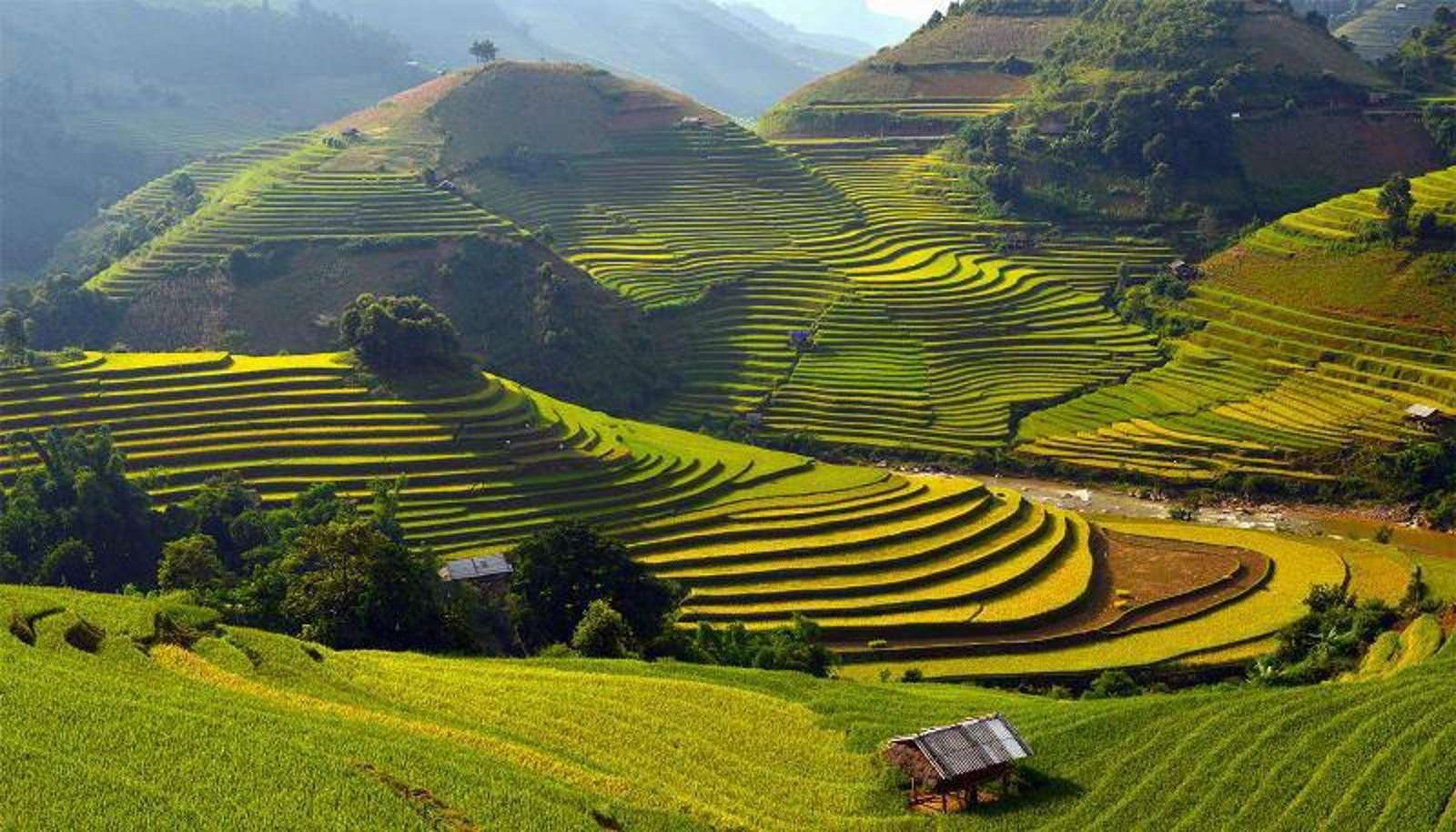
O Quy Ho Pass
One of the four great passes of northern Vietnam, climbing past Fansipan to around 2,000 metres between Sapa and Lai Chau.
- Sapa
- Included in 4 tours
- Tours from $50
- Updated October 2026

About O Quy Ho Pass
O Quy Ho Pass is the mountain road that climbs west from Sapa over the Hoang Lien Son range and down into Lai Chau province. At roughly 50 km it is often called the longest pass in northern Vietnam, and it is one of the region’s “four great passes” — together with Ma Pi Leng, Pha Din and Khau Pha. Its summit, at Tram Ton, sits at around 2,000 metres on the provincial border, in the shadow of Fansipan.
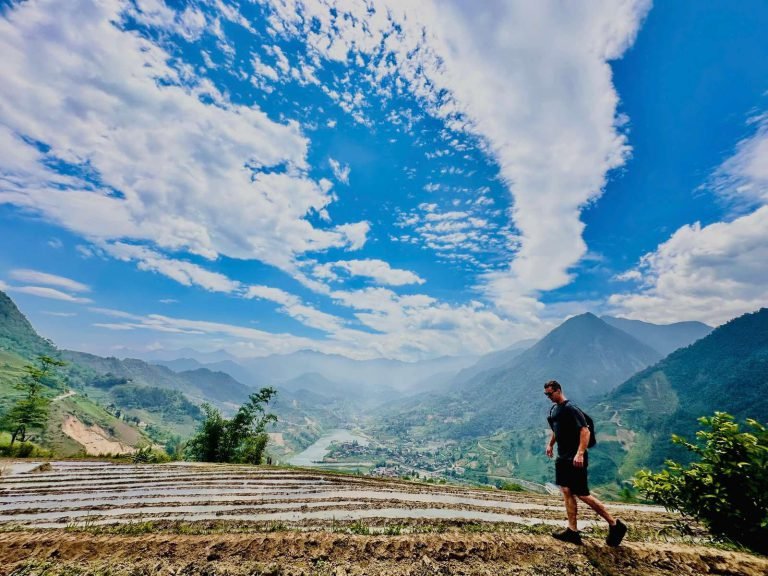
The road, National Road 4D, winds through forest and over open ridges with huge views at almost every bend. On the Sapa side you pass Silver Waterfall and the Love Waterfall trail; on the Lai Chau side the land drops away in folds of mountains, and on many mornings the valleys below are filled with a sea of clouds. Because of the clouds it is sometimes called the Cloud Pass.
The legend of O Quy Ho
Local legend tells of a young man named O Quy Ho who fell in love with a fairy. When their love was forbidden he was turned into a black turtle and she into a bird, and the pass, along with nearby Love Waterfall, keeps their story alive.
The Lonely Tree and the sunset
Near the top of the pass a single tree stands alone on a grassy ridge against the mountains — the Lonely Tree, one of the most photographed spots on the road. Further down on the Lai Chau side, the pass faces west, which makes it one of the best sunset viewpoints near Sapa.
Weather on the pass
The pass is noticeably colder and windier than Sapa town, often by several degrees, and the weather can be completely different on each side of the summit. Fog can close in within minutes. In winter cold snaps there may be frost and, on rare days, snow.
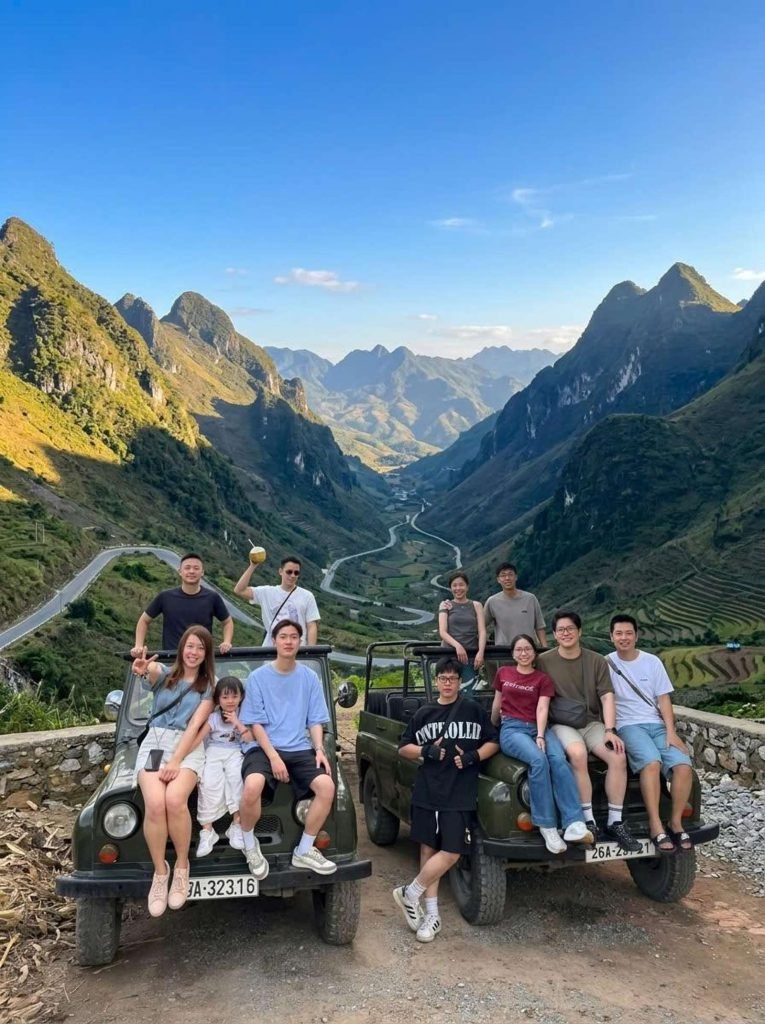
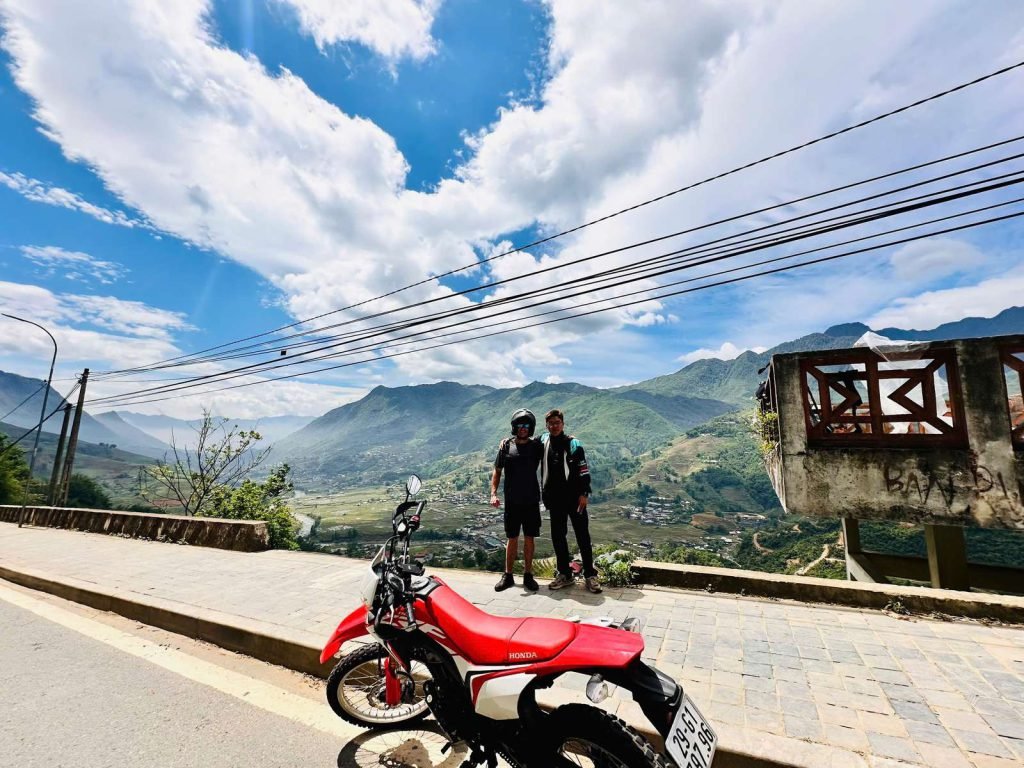
Our O Quy Ho Pass Jeep tour and Sapa motorbike tour with female riders, and both full-day Sapa tours, climb the pass with stops at Silver Waterfall, the Lonely Tree and viewpoints before finishing at Rong May Glass Bridge.
What to see on O Quy Ho Pass
The drive itself is the attraction – about 50 km of switchbacks over the Hoang Lien Son range, one of Vietnam’s “four great passes”, with huge views at almost every bend. On the Sapa side you pass Silver Waterfall and the Love Waterfall trail; near the Tram Ton summit the Lonely Tree stands alone on a ridge for the classic photo; and on the Lai Chau side the valleys fill with a sea of clouds, making it one of the best sunset viewpoints near Sapa. Just over the top is the Rong May Glass Bridge.
Worth it?
Why visit O Quy Ho Pass?
- One of Vietnam’s four great passesAround 50 km of mountain road over the Hoang Lien Son range.
- Tram Ton summitAround 2,000 metres, on the border of Lao Cai and Lai Chau, near Fansipan.
- The Lonely TreeA solitary tree on a ridge — the classic O Quy Ho photo.
- Sea of cloudsValleys filled with cloud on cool mornings, most often from autumn to spring.
- Sunset viewsThe western side of the pass glows at the end of the day.
- Waterfalls and a glass bridgeSilver Waterfall, Love Waterfall and Rong May Glass Bridge along the way.
Make the most of it
8 best things to do in O Quy Ho Pass
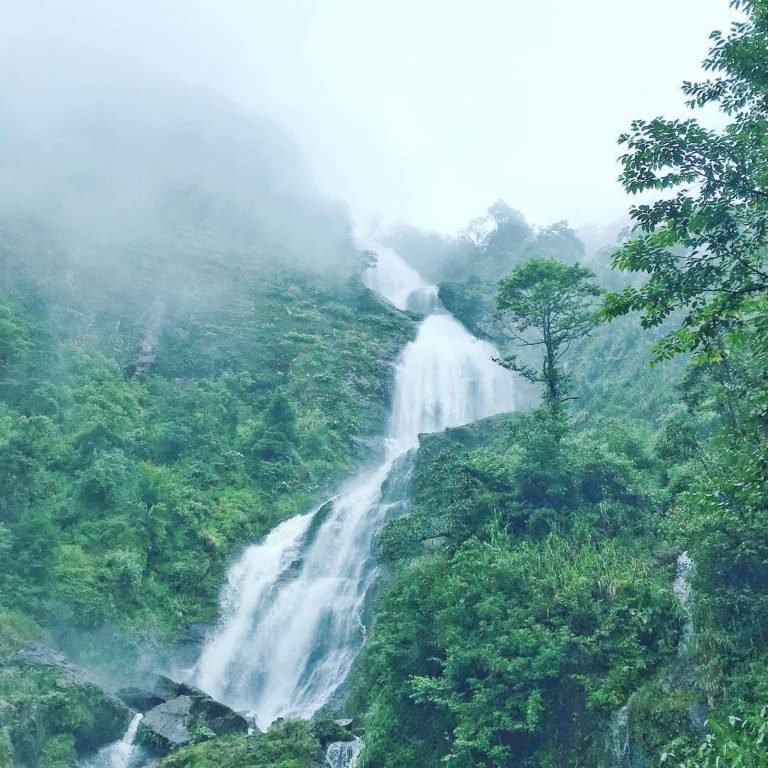
Stop at Silver Waterfall
The first sight on the way up, about 12–13 km from Sapa. Ticket about 20,000 VND; 30–45 minutes.
Stand at Tram Ton summit
The highest point of the road, with views back towards Sapa and over to Lai Chau. Cold and windy — bring a jacket.
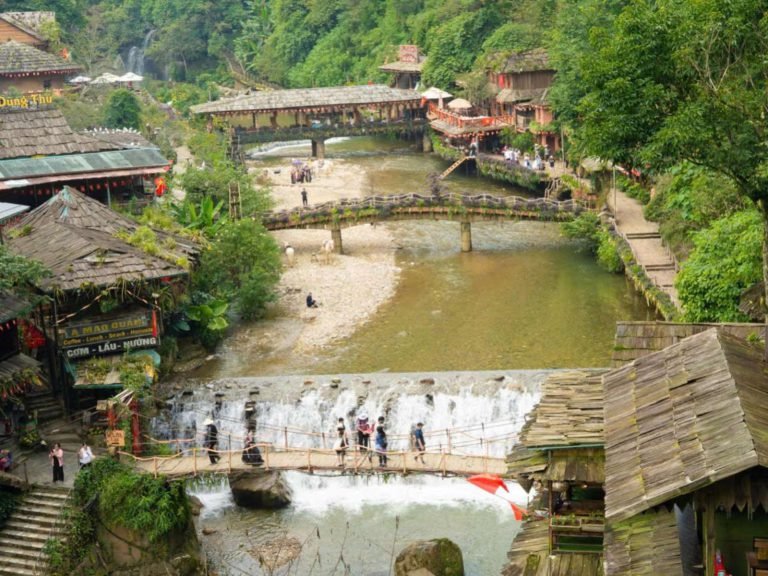
Walk to Love Waterfall
A forest trail of about 1.5 km from Tram Ton to Love Waterfall and the Golden Stream. Ticket about 70,000–100,000 VND; allow 1.5–2 hours.
Photograph the Lonely Tree
The famous solitary tree near the top of the pass. Best with clouds or low sun.
Walk Rong May Glass Bridge
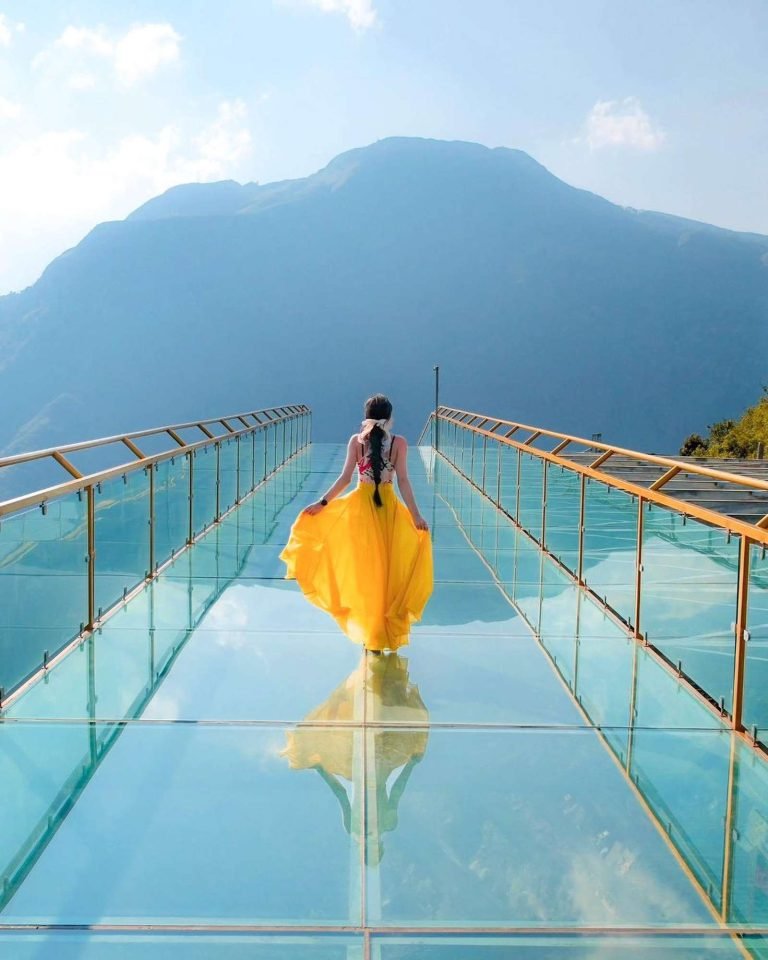
A glass lift and skywalk on the Lai Chau side. Ticket about 500,000 VND for adults.
Watch the sunset
Viewpoints on the Lai Chau side look west over the mountains. Bring a warm layer for the ride back in the dark.
Look out for the sea of clouds
Most likely on cool, still mornings from October to April, but never guaranteed.
Ride it with us
By private open-air army Jeep or as a passenger with a local female rider, 4–4.5 hours from Sapa Stone Church.
Good to know
Distances: how far are the stops on O Quy Ho Pass?
| Sapa Stone Church | Start, 0 km |
|---|---|
| Silver Waterfall | About 12–13 km, 25–30 minutes |
| Tram Ton summit and Love Waterfall trail | About 15 km, 30–35 minutes |
| Lonely Tree area | Near the top of the pass |
| Rong May Glass Bridge | About 17–18 km, 35–45 minutes |
| Tam Duong, Lai Chau | About 50 km over the full pass |
Distances and times are approximate and depend on traffic, fog and photo stops.
Timing
Best time to visit O Quy Ho Pass
Often the clearest skies and the best chance of the sea of clouds.
Very cold, sometimes frost; wild peach and plum blossom around Tet.
Rhododendrons and other mountain flowers; mild, sometimes misty.
Rainy season: green and dramatic, but fog and showers are common.
For sunset light on the Lai Chau side.
Plan your visit
Half-day route: O Quy Ho Pass from Sapa
Sapa Stone Church
Meet at 8:00 or 13:00 and head west on National Road 4D.
Silver Waterfall
A short walk to the cascades.
Tram Ton and viewpoints
The summit of the pass and views both ways.
The Lonely Tree
Photo stop on the ridge.
Rong May Glass Bridge
Glass lift and skywalk over the valley.
Return to Sapa
A scenic descent back to the church.
Map & directions
How to get to O Quy Ho Pass
- By jeep tourOur private open-air army Jeep tour takes 4–4.5 hours with a driver and English-speaking guide.
- As a motorbike passengerRide behind a local female rider — no licence needed, helmet provided.
- By taxi or private carHire a car for half a day from Sapa; prices vary, so agree the stops and waiting time first.
- Riding yourselfOnly for experienced riders with a valid licence: steep hairpins, fog, wind and heavy vehicles.
Eat like a local
Where to eat near O Quy Ho Pass
- Grilled corn and eggs at viewpointsSmall stalls at the summit and Silver Waterfall.
- Hot tea and coffeeKiosks at Tram Ton — welcome in the cold wind.
- Local lunch on our full-day toursRegional dishes before or after the pass.
- Salmon hotpot back in SapaWarm up after a cold afternoon on the pass.
For your camera
Best photo spots at O Quy Ho Pass
- The Lonely TreeThe single tree against layers of mountains.
- Hairpin bends from aboveThe road snaking down the Lai Chau side.
- Tram Ton summitClouds pouring over the ridge.
- Sunset viewpointsGolden light over the western valleys.
- Your Jeep or rider on the roadOur guides know the safe places to stop.
Local advice
Tips for visiting O Quy Ho Pass
Do
- Bring a warm, windproof jacket even in summer
- Check the weather before you go
- Wear long trousers and closed shoes on a motorbike
- Stop only at safe pull-outs for photos
- Allow extra time in fog
Don’t
- Ride the pass at night or in thick fog
- Stand on the road edge for selfies
- Expect a guaranteed sea of clouds
- Overtake on blind bends
- Forget cash for tickets and snacks
Visit with a local
Tours that visit O Quy Ho Pass

Sapa · Jeep
Sapa Jeep Tour: O Quy Ho Pass, Silver Waterfall & Rong May Glass Bridge
From $63
$50
per adult

Sapa · Jeep
Sapa Full-Day Jeep Tour: Villages, O Quy Ho Pass & Glass Bridge
From $125
$100
per adult

Sapa · Female Riders
Sapa Motorbike Tour with Female Riders: O Quy Ho Pass & Glass Bridge
From $63
$50
per adult

Good to know
O Quy Ho Pass: questions & answers
How long is O Quy Ho Pass?
About 50 km between Sapa in Lao Cai and Tam Duong in Lai Chau. Our tours ride the most scenic section on the Sapa side, up to Rong May Glass Bridge.
How high is O Quy Ho Pass?
The summit at Tram Ton is around 2,000 metres above sea level, on the border of Lao Cai and Lai Chau.
What are the four great passes of Vietnam?
Ma Pi Leng, Pha Din, Khau Pha and O Quy Ho, all in the northern mountains.
When is the best time to visit O Quy Ho Pass?
October to December for clear skies and clouds in the valleys, March to April for flowers, and late afternoon for sunset.
Is O Quy Ho Pass dangerous?
It is a steep, winding mountain road with fog and heavy vehicles. It is safe with an experienced driver or rider; avoid riding it yourself at night or in bad weather.
Where is the Lonely Tree on O Quy Ho Pass?
On a grassy ridge near the top of the pass. Our O Quy Ho tours stop there for photos.
Is it cold on O Quy Ho Pass?
Yes, usually several degrees colder and much windier than Sapa. In winter there can be frost and, rarely, snow.
Can I see Fansipan from O Quy Ho Pass?
Yes, on clear days. Tram Ton, at the summit, is also the start of one of the trekking routes up Fansipan.
What can you see and do on O Quy Ho Pass?
Stop at Silver Waterfall and the Love Waterfall trail on the Sapa side, photograph the Lonely Tree near the Tram Ton summit, watch the sea of clouds and the sunset on the Lai Chau side, and visit the Rong May Glass Bridge just over the top. The viewpoints along the road are the highlight.
How do I get to O Quy Ho Pass from Sapa?
The summit at Tram Ton is about 15 km west of Sapa on National Road 4D. The easiest way is a Sapa jeep or female-rider motorbike tour that takes in the pass and its viewpoints; if you drive yourself, do it in daylight, as the pass is winding and can be foggy.
Sapa