
Hanoi essentials
Hanoi Etiquette and Dress Code: Temples, the Mausoleum, Dining and Customs (2026)
Vietnam etiquette for Hanoi and Sapa: temple and Mausoleum dress codes, chopstick and dining manners, greetings, photography, bargaining and the customs worth knowing.
Quick answer
Hanoi is relaxed, but a few customs matter: at temples and the Mausoleum cover your shoulders and knees and remove shoes and hats inside; at the table never stand chopsticks upright in rice and pass things with both hands; with people, smile, stay calm, and ask before photographing anyone – especially elders and Sapa villagers.
On this page
The short version
Hanoi is relaxed and visitors are warmly received – you will not cause offence by accident easily. A handful of customs are worth knowing, mostly around temples, meals and showing respect to older people.
- At temples and the Mausoleum: cover your shoulders and knees, take your shoes and hat off when you go inside, and keep your voice down.
- At the table: never stand your chopsticks upright in a bowl of rice, and pass things with two hands.
- With people: a smile goes a long way; stay calm if something goes wrong, as losing your temper makes everyone lose face.
- With your camera: ask before photographing people, especially older people and ethnic-minority villagers in Sapa.
Dressing for temples and pagodas
Several of our routes pass temples and pagodas, such as Tran Quoc Pagoda on West Lake. Vietnam’s official tourism guidance asks visitors to dress modestly at religious sites – cover shoulders and knees – and to remove shoes and hats when entering a temple building. Even where a tour only stops outside for photos, it is respectful, and easier, to dress this way from the start.
- Shoulders covered: a T-shirt, or a scarf or shirt you can throw on
- Knees covered: trousers, a midi skirt or long shorts
- Shoes you can slip off easily if you go inside
- Hat and sunglasses off indoors; speak quietly and don’t point your feet at an altar or a Buddha image
The Ho Chi Minh Mausoleum: stricter rules
The Ho Chi Minh Mausoleum in Ba Dinh Square is a place of national mourning, and its rules are stricter than at a pagoda. If you plan to visit on your own:
- Dress respectfully: cover shoulders and knees – no shorts, short skirts or vest tops.
- Be silent and orderly: stay in line, keep your hands out of your pockets and your hat off inside.
- Leave your things: bags, cameras and phones must be left at the security deposit, and photography is not allowed inside.
- Opening: it normally closes on Mondays and Fridays and opens only in the morning. In 2026 it is also closed for annual maintenance from 4 September to 2 November, reopening on 3 November.
More on what to pack for this in our what to wear guide.
Dining and chopstick etiquette
Meals are shared and sociable in Vietnam, and your guide will show you how each dish is eaten. A few customs are good to know:
- Don’t stand chopsticks upright in a bowl of rice – it resembles incense at a funeral. Rest them on the bowl’s edge or a chopstick rest.
- Don’t tap your bowl with chopsticks, and avoid pointing them at people.
- Use the serving spoon or the reverse end of your chopsticks for shared dishes where one is provided.
- Pass dishes with both hands or your right hand, and let older people start first.
- Slurping and a bit of noise are fine – they are not rude here.
Tipping is not expected in restaurants; see our money and tipping guide. For food safety and dietary needs, see food on Hanoi tours.
Greetings and showing respect
Vietnamese culture places great value on respect for elders and on “face” – keeping social harmony and not causing public embarrassment.
- A smile and a small nod are a warm greeting; a light handshake is common in cities.
- Give and receive with both hands – money, a business card, a gift or a document.
- Don’t point at people (especially older people) with your finger; gesture with an open hand.
- Avoid touching someone’s head, including children’s, and don’t point the soles of your feet at people or altars.
- Keep your cool. Raising your voice or getting angry in public rarely helps and makes everyone lose face; a calm, friendly manner gets much further.
- Dress modestly away from the beach, and keep public displays of affection low-key.
Taking your shoes off
It is normal to remove your shoes when entering someone’s home, many guesthouses and homestays, some shops and most temple buildings. Look for a pile of shoes at the door or a low step, and follow what your host or those around you do. Slip-on shoes make this painless – handy on a day that includes a temple or a village home in Sapa.
Photography etiquette
Hanoi and Sapa are wonderfully photogenic, but a little courtesy matters:
- Ask before photographing people, especially older people, monks and ethnic-minority villagers in Sapa. A smile and a gesture at your camera is enough; accept a no gracefully.
- Some will ask for a small sum to pose, or expect you to buy something from their stall – agree it first if you are happy to.
- Watch for signs banning photography inside temples, museums and the Mausoleum.
- Take care near traffic and on the Train Street – step well back when a train is due and follow your guide’s instructions.
Bargaining, markets and money manners
Gentle bargaining is normal at markets and with street vendors, and not done at shops, cafes and restaurants with fixed prices. Keep it good-humoured:
- Ask the price first; if it is a market, you can offer a bit less and meet in the middle.
- Stay smiling – it is a friendly exchange, not a battle. If you don’t want to buy, a polite “no, thank you” and walking on is fine.
- Agree a price before a cyclo ride, a photo with a fruit-seller’s pole, or any service, so there is no surprise at the end.
- Handle banknotes and anything given to you with a little care – count change and keep your 20,000 and 500,000 notes apart, as both are blue.
A few more things worth knowing
- Lunar New Year (Tet) is the biggest holiday; many shops close for several days and a tour surcharge may apply. It is a wonderful but quieter time to visit.
- Addressing people: a simple “xin chaào” (hello) and “cám ơn” (thank you) are always welcome.
- Drinking: toasts of “mọt, hai, ba, dô!” (one, two, three, cheers) are common; it is polite to wait for the host’s toast.
- Queues and crowds can be loose; a calm, patient approach works best.
On our tours: your guide is the easiest shortcut to getting this right – they will tell you when to take your shoes off, how a dish is eaten and whether a photo is welcome. Our Sapa guides wear their own ethnic dress, and on Hanoi jeep and Instagram tours you can add a guide or rider in a traditional ao dai. If you are unsure about anything cultural, just ask; nobody expects a visitor to know every custom.
Tours this guide helps with
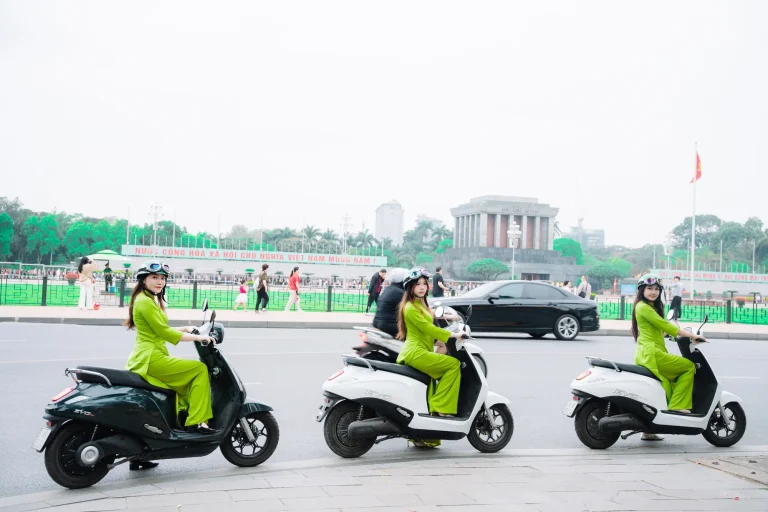
Hanoi · Electric Scooter
Hanoi Half-Day City Tour with Female Riders
876+ booked
From $62
$53
per adult

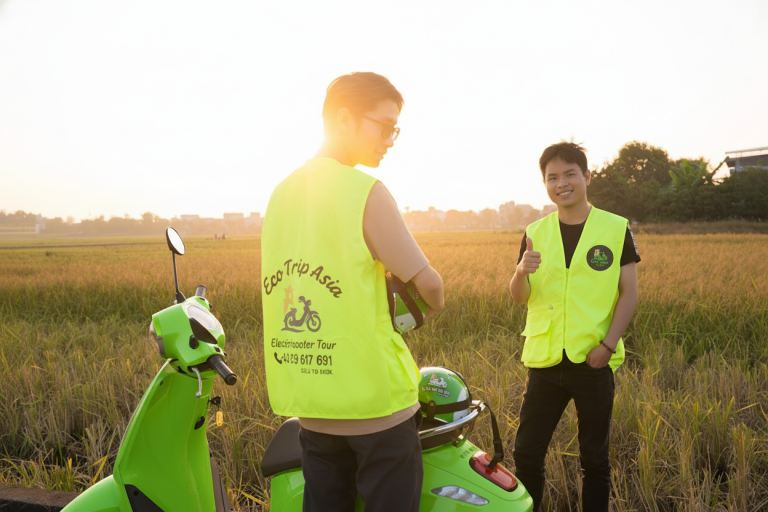
Hanoi · Electric Scooter
Hanoi Sunrise & Sunset Electric Scooter Tour
678+ booked
From $60
$51
per adult
Frequently asked questions
How should I dress to visit temples and pagodas in Hanoi?
Cover your shoulders and knees, and be ready to take your shoes and hat off when you enter a temple building. A T-shirt with trousers, a midi skirt or long shorts is fine; carry a light scarf or shirt to throw on. Keep your voice down inside and don't point your feet at an altar or a Buddha image.
What is the dress code and the rules at the Ho Chi Minh Mausoleum?
The Mausoleum is stricter than a pagoda: cover shoulders and knees (no shorts, short skirts or vest tops), stay silent and orderly, keep hands out of pockets and your hat off inside, and leave bags, cameras and phones at the security deposit – no photography inside. It normally closes on Mondays and Fridays and opens only in the morning, and in 2026 it is closed for maintenance from 4 September to 2 November.
What are the chopstick taboos in Vietnam?
Never stand your chopsticks upright in a bowl of rice – it resembles incense at a funeral. Don't tap your bowl with them or point them at people, and use the serving spoon or the reverse ends of your chopsticks for shared dishes. Rest chopsticks on the edge of your bowl or a rest between bites.
Is tipping expected in Vietnam?
No, tipping is not mandatory or a traditional part of the culture, though it is appreciated for tour guides, drivers and in spas, and you can leave something in a restaurant if service was good. A rough guide is about US$10–20 a day for a guide; see our money and tipping guide for more.
Can I bargain in Hanoi markets?
Yes, gentle bargaining is normal at markets and with street vendors – ask the price, offer a little less and meet in the middle, keeping it good-humoured. It is not done at shops, cafes and restaurants with fixed prices. If you don't want to buy, a polite 'no, thank you' and walking on is fine.
Is it OK to photograph people and ethnic-minority villagers in Sapa?
Ask first, especially with older people, monks and ethnic-minority villagers in Sapa – a smile and a gesture at your camera is enough, and accept a no gracefully. Some may ask for a small sum to pose or expect you to buy from their stall; agree that first. Watch for signs banning photos inside temples, museums and the Mausoleum.
Do I need to take my shoes off in Vietnam?
Often, yes – when entering someone's home, many homestays and guesthouses, some shops and most temple buildings. Look for a pile of shoes or a low step at the door and follow your host. Slip-on shoes make it easy, which helps on days that include a temple or a village home in Sapa.
How do I show respect to older people in Vietnam?
Greet people with a smile and a small nod, let elders start eating or speaking first, and give and receive things – money, a card, a gift – with both hands. Don't point at people with your finger (use an open hand), avoid touching anyone's head, and don't point the soles of your feet at people.
What is 'face', and what should I avoid doing?
'Face' is about social harmony and not causing public embarrassment. The main thing to avoid is losing your temper: raising your voice or getting visibly angry in public rarely helps and makes everyone uncomfortable. Stay calm and friendly, dress modestly away from the beach, and keep public displays of affection low-key.
What should I know about visiting during Tet (Lunar New Year)?
Tet is Vietnam's biggest holiday. Many shops and restaurants close for several days, the city is quieter, and a tour surcharge may apply on and around the holiday. It is a special time to visit if you don't mind some places being shut – message us if your dates fall near Tet and you want to know what's open.
Will my guide help me with the local etiquette?
Yes – your guide is the easiest shortcut. They will tell you when to take your shoes off, how each dish is eaten and whether a photo is welcome, and they are happy to answer any cultural question. Nobody expects a visitor to know every custom, so just ask.
Sources
We check facts against these sources. Rules and prices change, so confirm anything important with the official source before you travel.
- Vietnam National Administration of Tourism – code of conduct and advice to dress modestly and remove shoes and hats at religious sites (as of Oct 2026)
- Ministry of Culture, Sports and Tourism – Code of Conduct for civilised tourism (as of Oct 2026)
- Ho Chi Minh Mausoleum Management Board – visiting rules and 2026 maintenance-closure dates (as of Oct 2026)
Spotted something out of date? Tell us on WhatsApp