Muong Hoa Valley
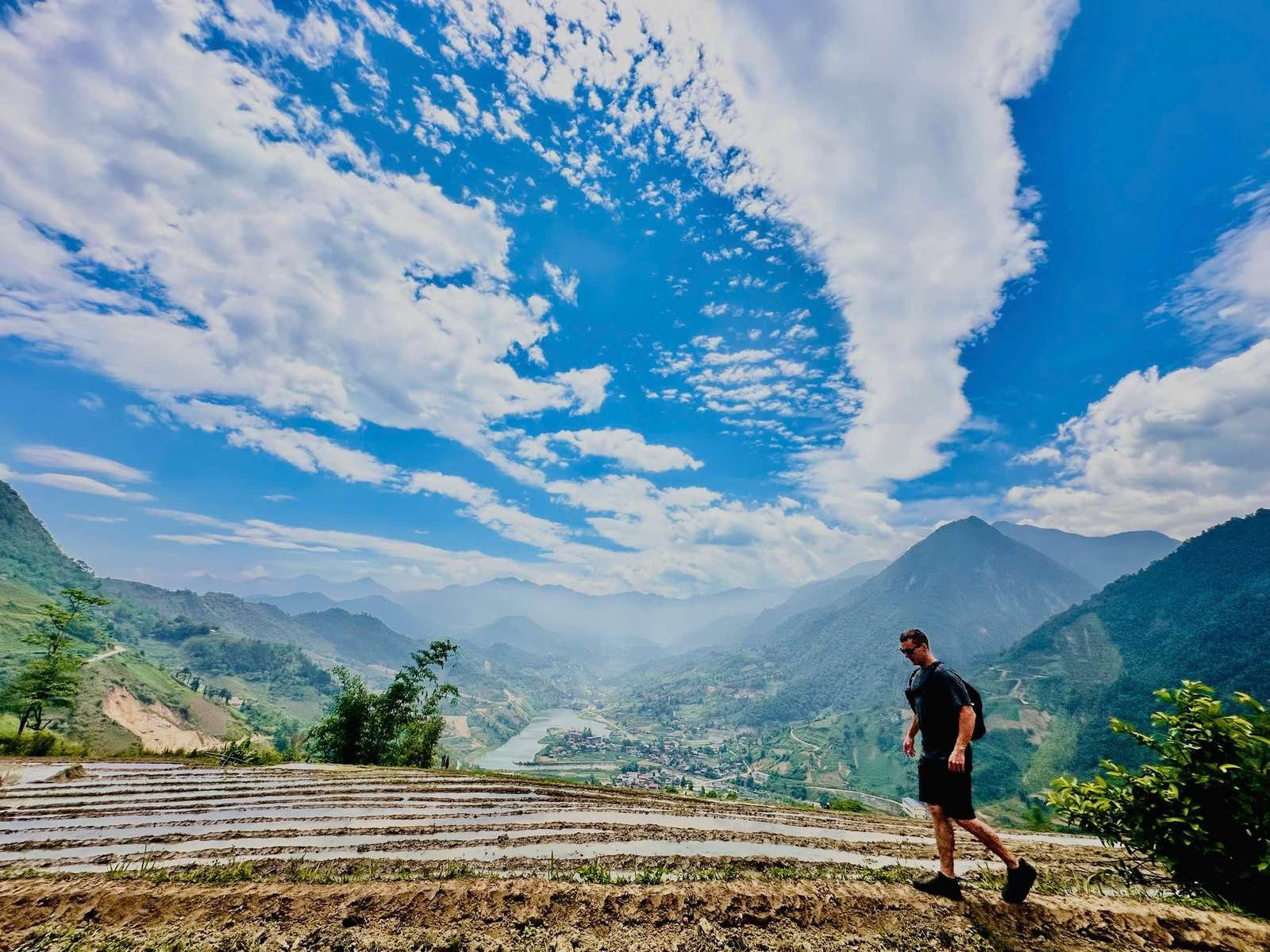
Sapa’s most famous valley: rice terraces stepping down to the Muong Hoa stream, with Hmong and Giay villages and Fansipan behind.
- Sapa
- Included in 4 tours
- Tours from $50
- Updated October 2026
About Muong Hoa Valley
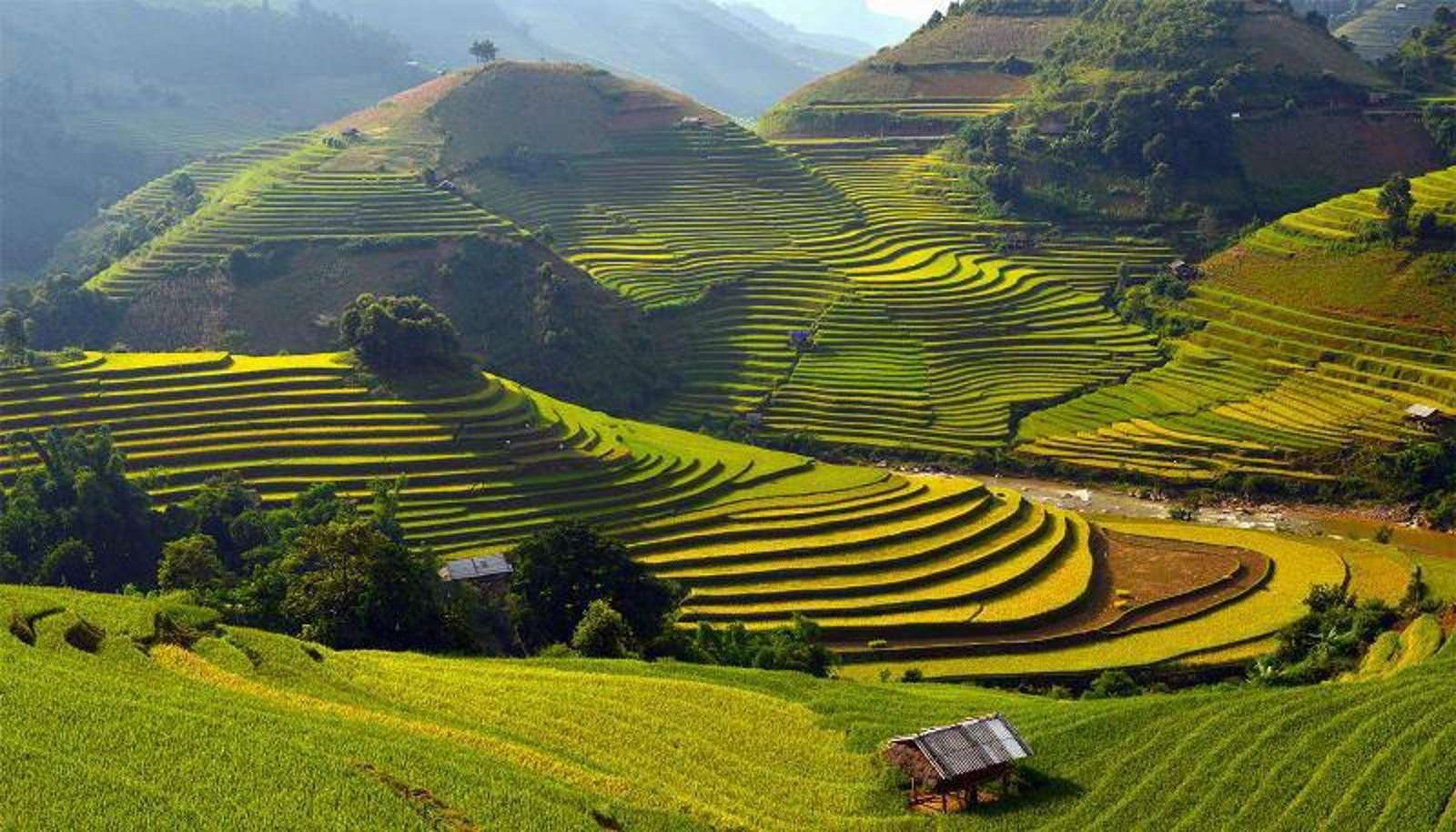
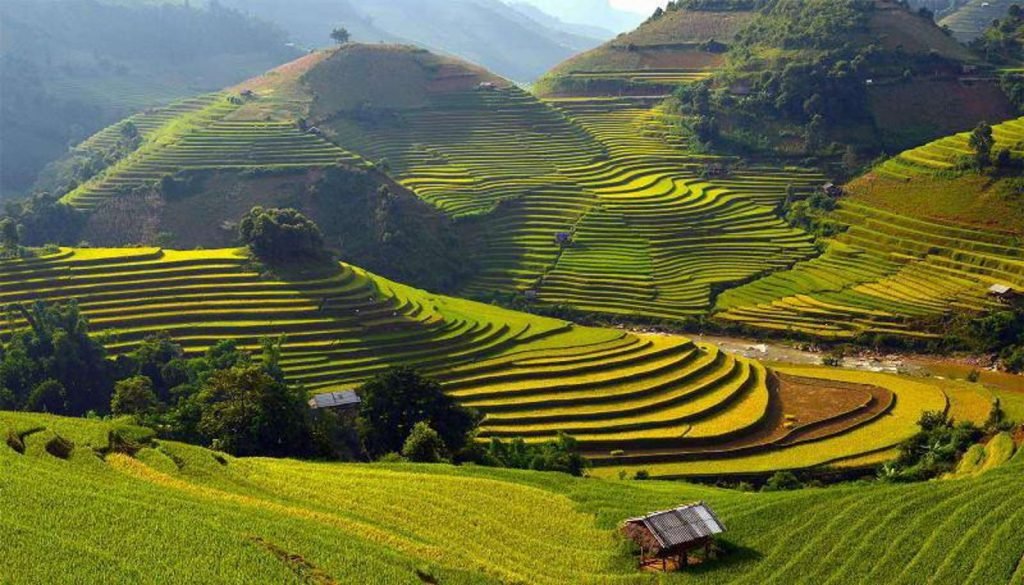
Muong Hoa Valley is the view most people picture when they think of Sapa: layer after layer of rice terraces stepping down to a rushing stream, with wooden villages on the slopes and the Hoang Lien Son range, crowned by Fansipan, rising behind. The valley runs south-east from Sapa town for more than 15 km along the Muong Hoa stream, and the road down into it is one of the most beautiful drives in northern Vietnam.
The terraces have been carved by hand over generations by Black Hmong, Giay and Red Dao communities. They are still farmed every year, so the valley changes colour with the rice season. Lao Chai, a Black Hmong village, and Ta Van, home of the Giay people, are the best-known villages on the valley floor, linked by an easy path along the fields.
Muong Hoa Valley through the year
From about late April to early June the terraces are flooded for planting and reflect the sky like mirrors. In summer they turn a deep, bright green. By late August and September the rice ripens to gold, and the harvest is usually finished by early October. In winter the fields rest under mist, quiet and brown, with clearer air on cold sunny days.
The ancient carved stones
Scattered across the valley near Lao Chai and Hau Thao are around 200 large boulders carved with mysterious lines, circles, figures and what look like maps of terraces. Researchers have studied them since the early 20th century and still debate their age and meaning; the site is protected as a national historical relic.
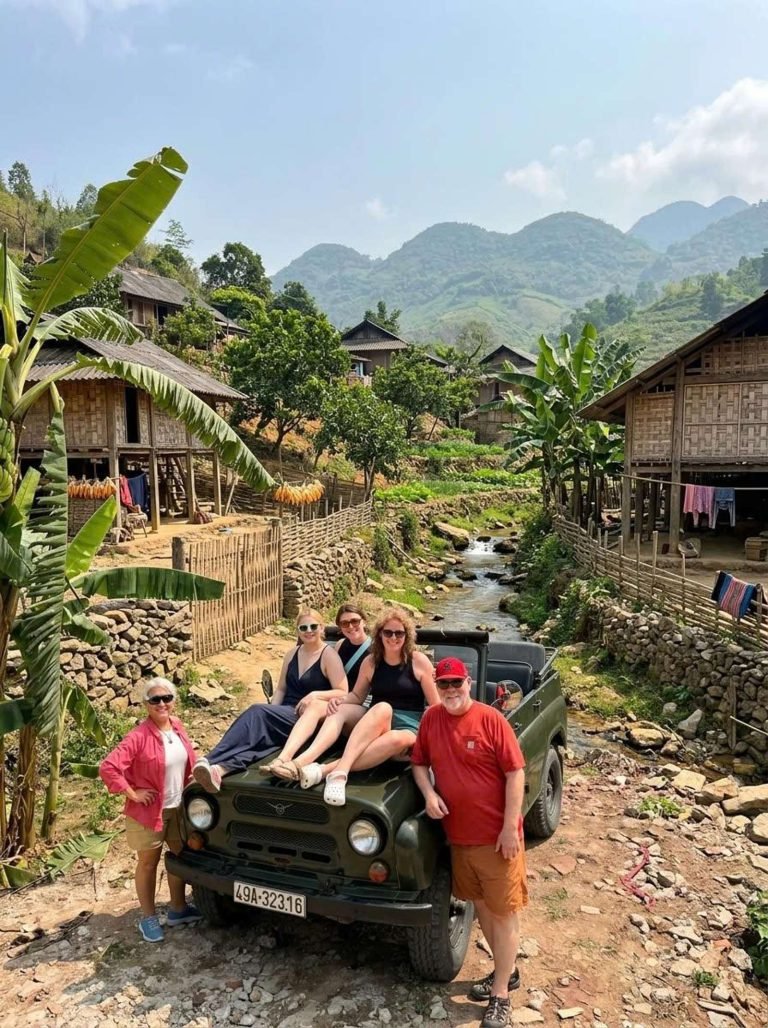
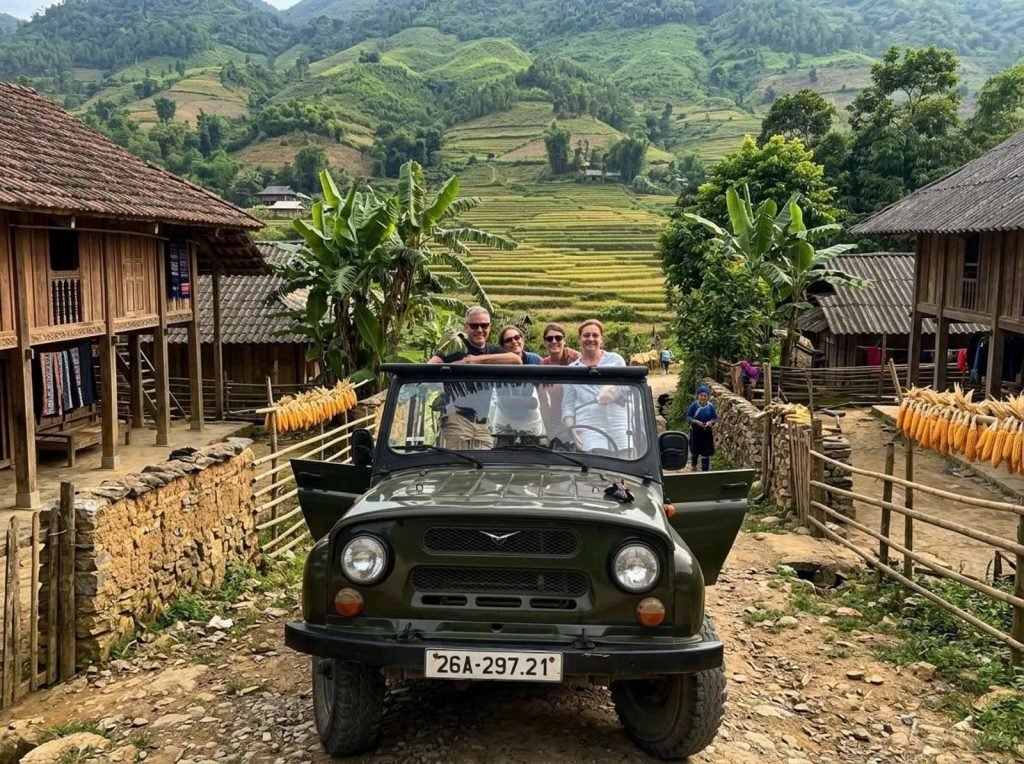
Our Muong Hoa Valley Jeep tour, the full-day jeep and motorbike tours and our Instagram tour with female riders all stop at a valley viewpoint, walk the easy path from Lao Chai to Ta Van and take a coffee by the stream before heading back up to town.
Is Muong Hoa Valley worth visiting?
Yes – it is the classic Sapa landscape, layer on layer of rice terraces stepping down to a stream with Fansipan behind. You do not have to trek: the road down the valley gives wonderful views from a jeep, and the easy Lao Chai–Ta Van path along the fields is gentle. The valley changes colour with the season – mirror-like flooded terraces in late April to early June, deep green in summer, gold in September – and near Lao Chai you can see around 200 mysterious ancient carved stones.
Worth it?
Why visit Muong Hoa Valley?
- Sapa’s finest rice terracesHuge curving terraces on both sides of the valley, beautiful in every season.
- Two villages, two culturesBlack Hmong Lao Chai and Giay Ta Van, joined by an easy path through the fields.
- Ancient carved stonesA field of boulders covered in centuries-old carvings that still puzzle historians.
- Coffee by the streamWooden cafés beside the Muong Hoa stream, perfect for a break after a walk.
- Fansipan on the skylineOn clear days Vietnam’s highest peak watches over the valley.
- Viewpoints on the road downLookouts and photo parks such as Moana give the whole panorama in a few minutes.
Make the most of it
9 best things to do in Muong Hoa Valley
Stop at a valley viewpoint
Pull-outs on the road from Sapa towards Lao Chai give the classic view over the terraces. Free, 10–20 minutes.
Walk from Lao Chai to Ta Van
An easy 3–4 km path along terrace edges and through village lanes, about 1–1.5 hours at a gentle pace. Our tours include the shorter village section.
See the ancient carved stones
The ancient rock field lies near the road below Lao Chai. Look for lines, circles and figures carved into the boulders; allow 20–30 minutes.
Have a coffee by the stream
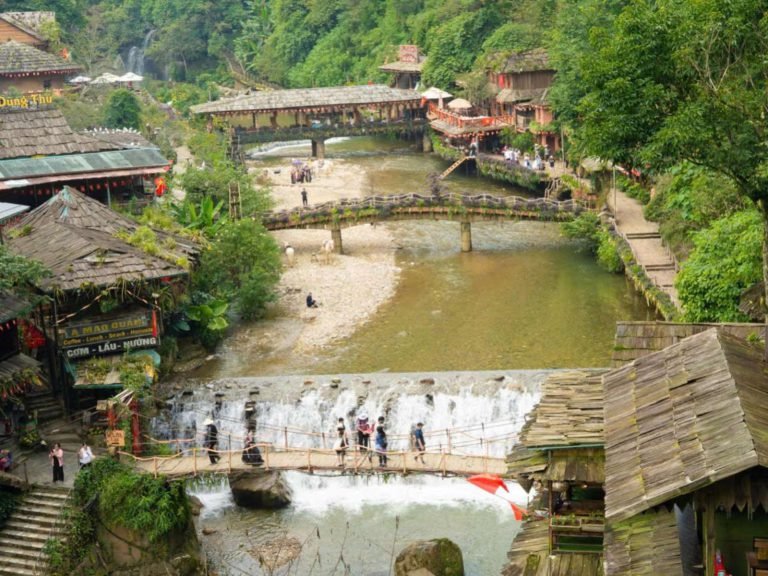
Our tours stop at Nha Ben Suoi, a café beside the water, for a drink and a rest. Many other cafés line the valley floor in Ta Van.
Meet local craftswomen
Black Hmong women dye cloth with indigo and stitch intricate embroidery. Buy directly from the makers to support their families.
Stay overnight in a homestay
Ta Van and Lao Chai have many homestays, usually with dinner and breakfast, for a quiet night in the valley.
Visit Moana for the panorama
This hillside photo park on the edge of town looks right over the valley. Ticket about 90,000–150,000 VND; our Muong Hoa Jeep tour finishes nearby for photos.
Trek further down the valley
Strong walkers can continue from Ta Van to Giang Ta Chai, Su Pan or Ban Ho with a local guide for a full day.
Ride in with us
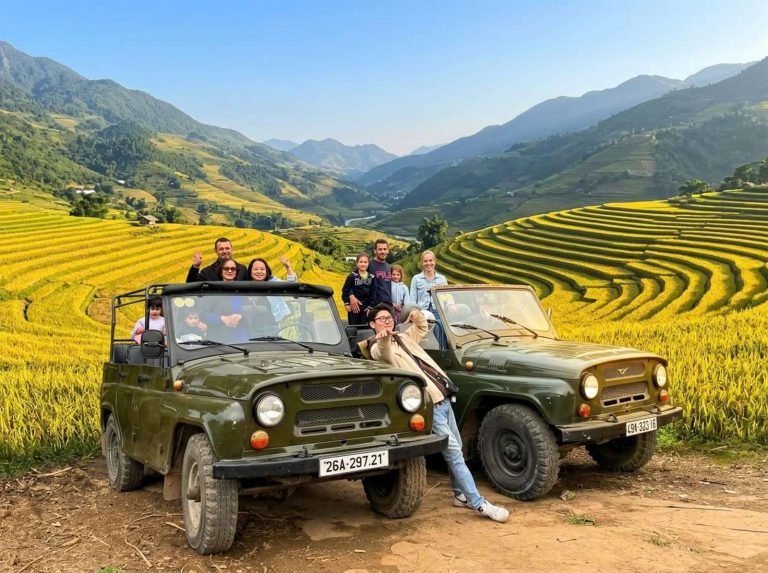
Go by private open-air army Jeep (4–4.5 hours) or as a passenger with a local female rider. No long hike back up — the vehicle brings you home.
Good to know
Seasons: when do the Muong Hoa rice terraces look their best?
| January–February | Fields resting after the harvest; cold, often misty, wild peach and plum blossom around Tet |
|---|---|
| March–April | Fields ploughed; fresh spring weather, terraces start to fill with water in late April |
| May–early June | Water season: flooded terraces reflect the sky and young rice is planted |
| June–August | Bright green terraces; warm days with afternoon showers |
| Late August–September | Golden rice and harvest time — the busiest and most photographed season |
| October | Harvest ends; stubble fields, clear skies and comfortable trekking weather |
| November–December | Cool and dry, clear views on sunny days, cold nights |
Timing moves by a week or two from year to year and between higher and lower terraces. Your guide will know where the fields look best on the day.
Timing
Best time to visit Muong Hoa Valley
Mist often fills the valley early and burns off by mid-morning, revealing the terraces in soft light.
Warmer light on the western slopes; cloud may build on summer afternoons.
The most unusual view — mirror-like terraces and farmers planting by hand.
Spectacular colours; roads and viewpoints are busier, especially at weekends.
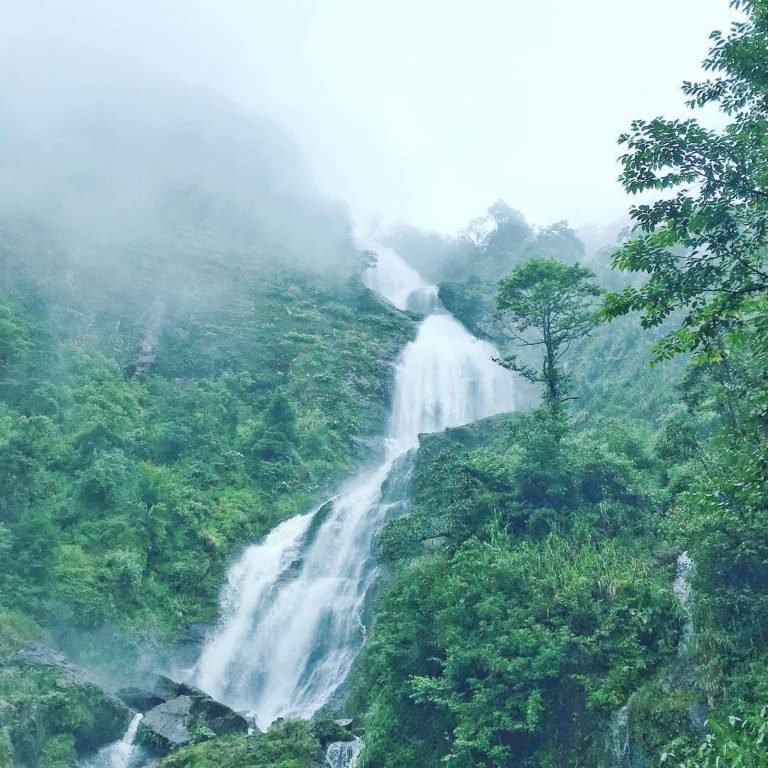
Paths get muddy and slippery, but the clouds moving through the valley are beautiful.
Plan your visit
Half-day route: Muong Hoa Valley from Sapa
Sapa Stone Church
Meet at 8:00 or 13:00 and head down the valley road.
Valley viewpoint
The full panorama of terraces and villages.
Lao Chai
Leave the vehicle for the village path among the terraces.
Ta Van
Walk on to the Giay village and its wooden houses.
Coffee by the stream
A break beside the Muong Hoa stream.
Moana viewpoints
Final photos on the edge of town before returning to the church.
Map & directions
How to get to Muong Hoa Valley
- By jeep or motorbike tourThe easiest way: we drive you down to the viewpoints and villages and back up to town in about 4–4.5 hours.
- By taxi or GrabAbout 15–25 minutes to Lao Chai or Ta Van from the town centre. Arrange your return in advance, as cars can be scarce in the valley.
- On footThe walk down from Sapa to Lao Chai is about 7–8 km, mostly along the road or village trails. Walking back up is steep, so most people take a car back.
- Motorbike rentalOnly for experienced riders: the valley road is narrow, steep and busy with buses.
Eat like a local
Where to eat near Muong Hoa Valley
- Nha Ben SuoiA streamside café in the valley where our tours stop for coffee.
- Homestay meals in Ta VanMany homestays serve simple home-cooked lunches to passing walkers — rice, vegetables, pork and eggs.
- Stream fishSmall fish from the mountain streams, grilled or fried crisp.
- Com lamSticky rice in bamboo, often sold at stalls along the road.
- Corn wineStrong local rice or corn liquor offered in homestays — sip slowly.
For your camera
Best photo spots at Muong Hoa Valley
- Valley viewpoint above Lao ChaiThe classic terraces-and-villages panorama.
- Terrace paths near Lao ChaiWalkers framed against curving terraces — best in the morning.
- Ancient carved stonesClose-ups of the carvings with the valley behind.
- MoanaPhoto installations with the whole valley as a backdrop.
- Bridges over the Muong Hoa streamWooden and suspension bridges near Ta Van.
Local advice
Tips for visiting Muong Hoa Valley
Do
- Wear shoes with good grip — terrace paths can be muddy
- Bring a light rain jacket and a warm layer
- Carry small notes for tickets, drinks and crafts
- Ask before photographing people, especially children
- Stay on the paths and terrace edges
Don’t
- Walk across planted rice fields
- Hand out sweets or money to children
- Underestimate the climb back up to Sapa on foot
- Ride a rented motorbike on wet valley roads without experience
- Fly a drone over villages without permission
Visit with a local
Tours that visit Muong Hoa Valley

Sapa · Jeep
Sapa Full-Day Jeep Tour: Villages, O Quy Ho Pass & Glass Bridge
From $125
$100
per adult

Sapa · Female Riders
Sapa Instagram Tour by Motorbike: Cat Cat, Moana & Rice Terraces
From $63
$50
per adult

Good to know
Muong Hoa Valley: questions & answers
Where is Muong Hoa Valley?
It runs south-east of Sapa town along the Muong Hoa stream, past the villages of Lao Chai, Ta Van, Su Pan and Ban Ho. The upper valley starts about 5 km from the centre.
When is the best time to visit Muong Hoa Valley?
Late April to early June for flooded terraces and mid-September for golden rice. Spring and autumn also bring the most comfortable weather.
Do I need a ticket for Muong Hoa Valley?
The valley road is free, but visitors to the Lao Chai–Ta Van area usually pay an entrance fee of about 75,000 VND per adult. Photo parks such as Moana charge separately.
Can you visit Muong Hoa Valley without trekking?
Yes. Our jeep and motorbike tours drive to the viewpoints and villages, with only a short, easy walk between Lao Chai and Ta Van.
What are the ancient stones in Muong Hoa Valley?
Around 200 boulders carved with lines, circles and figures, scattered near Lao Chai and Hau Thao. Their age and meaning are still debated; the site is a protected historical relic.
How far is Muong Hoa Valley from Sapa?
Lao Chai is about 7 km and Ta Van about 9–10 km from Sapa Stone Church, roughly 15–25 minutes by car.
Is Muong Hoa Valley worth visiting in winter?
Yes, if you like quiet. The fields are bare and it can be cold and misty, but clear winter days give sharp views of the mountains.
What is the best way to see Muong Hoa Valley?
You can enjoy it without a long trek: the road down the valley gives sweeping views from a jeep, and the easy Lao Chai–Ta Van path (about 3–4 km, mostly flat or downhill) takes you among the terraces and villages. Our Sapa jeep and motorbike tours cover the valley road with stops at the best viewpoints.
What will I see in Muong Hoa Valley?
Hand-carved rice terraces that change with the season, Black Hmong, Giay and Red Dao villages such as Lao Chai and Ta Van, the Muong Hoa stream, and around 200 ancient boulders near Lao Chai carved with mysterious lines, circles and figures.
Sapa