Ta Van Village
A Giay village on the floor of Muong Hoa Valley, known for its homestays, rice terraces, suspension bridge and streamside cafés.
- Sapa
- Included in 4 tours
- Tours from $50
- Updated October 2026
About Ta Van Village
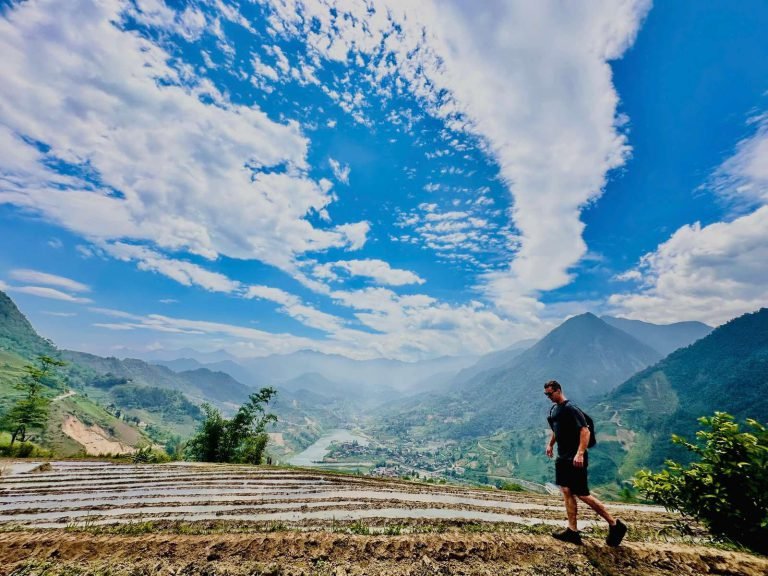
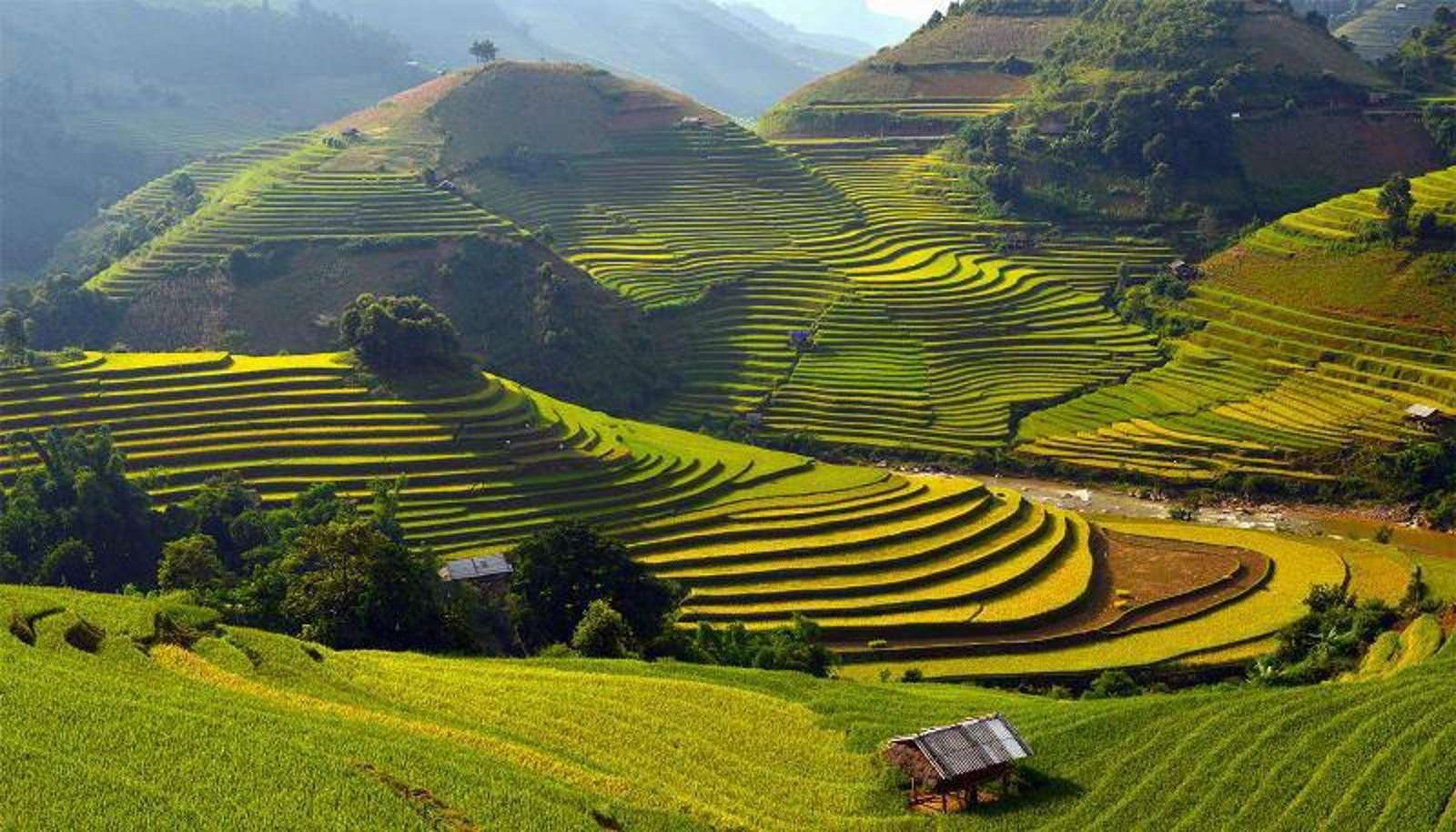
Ta Van village lies on the floor of Muong Hoa Valley, about 9–10 km from Sapa, where the valley widens and the Muong Hoa stream runs between broad rice terraces. It is home mainly to the Giay people, with Black Hmong and Red Dao families living in the surrounding hamlets, and it has become the most popular place near Sapa to spend a night in a homestay.
The Giay are a Tai-speaking people who came to the area generations ago and are known as skilled rice farmers. Their wooden houses sit close together along the lanes of the village, and many families now welcome guests with simple rooms, home-cooked dinners and a glass of local corn or rice wine.
Homestays, cafés and the river
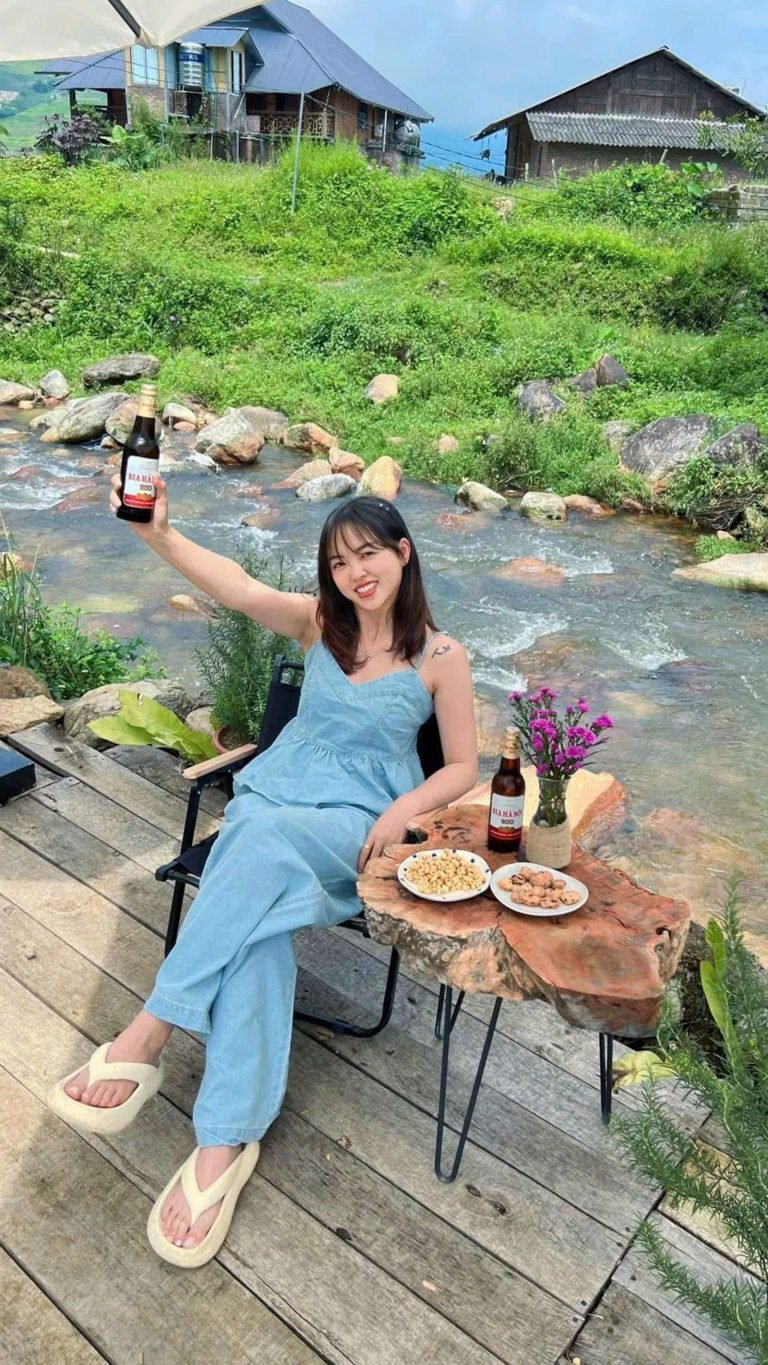
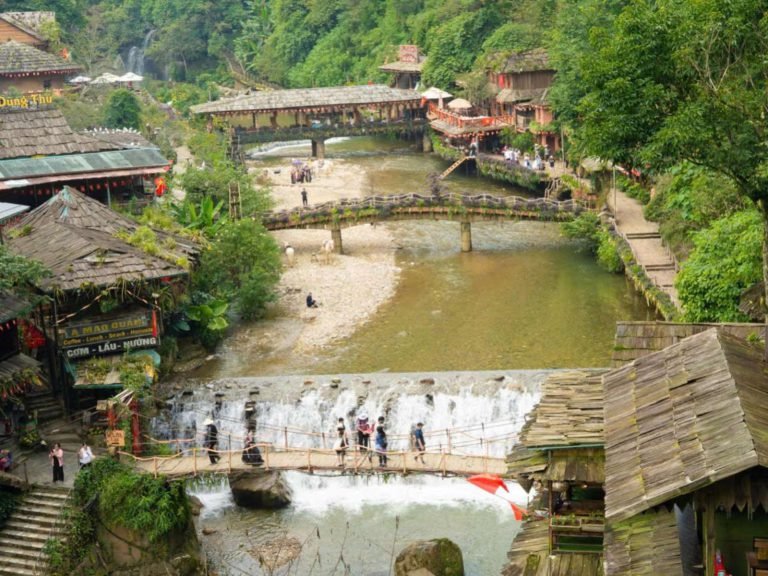
Ta Van is livelier than Lao Chai: along the main lane and the stream you will find homestays, small cafés, massage and herbal-bath spots and craft shops. A suspension bridge crosses the Muong Hoa stream at the edge of the village, and from the fields behind it the terraces climb towards the mountains in every direction.
Trails from Ta Van: the bamboo forest
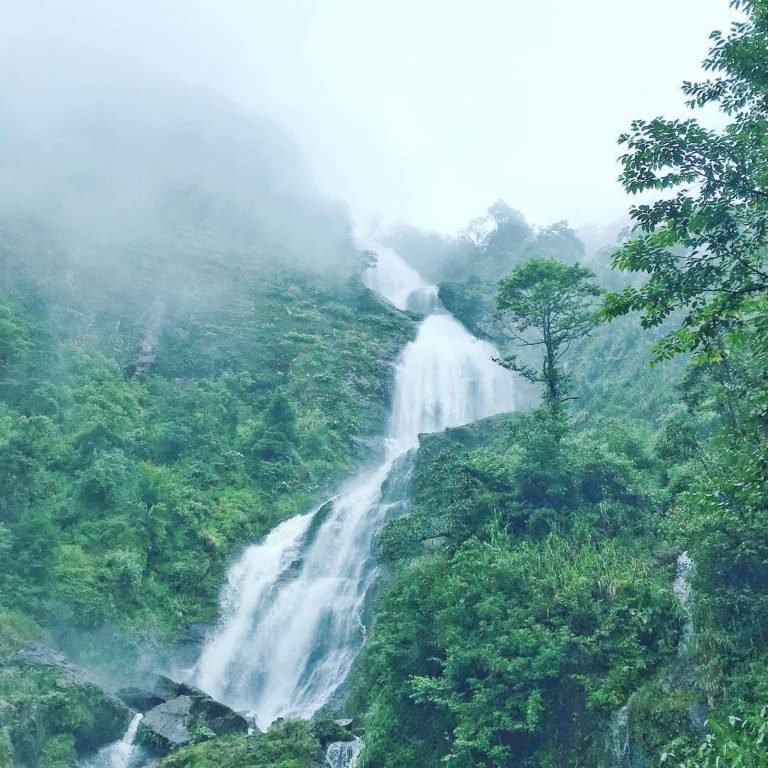
From Ta Van, trails continue deeper into the valley. One of the favourites climbs through terraces to the Red Dao village of Giang Ta Chai, passing through a cool bamboo forest and a small waterfall — a half-day walk with a local guide. Others follow the valley floor towards Su Pan and Ban Ho.
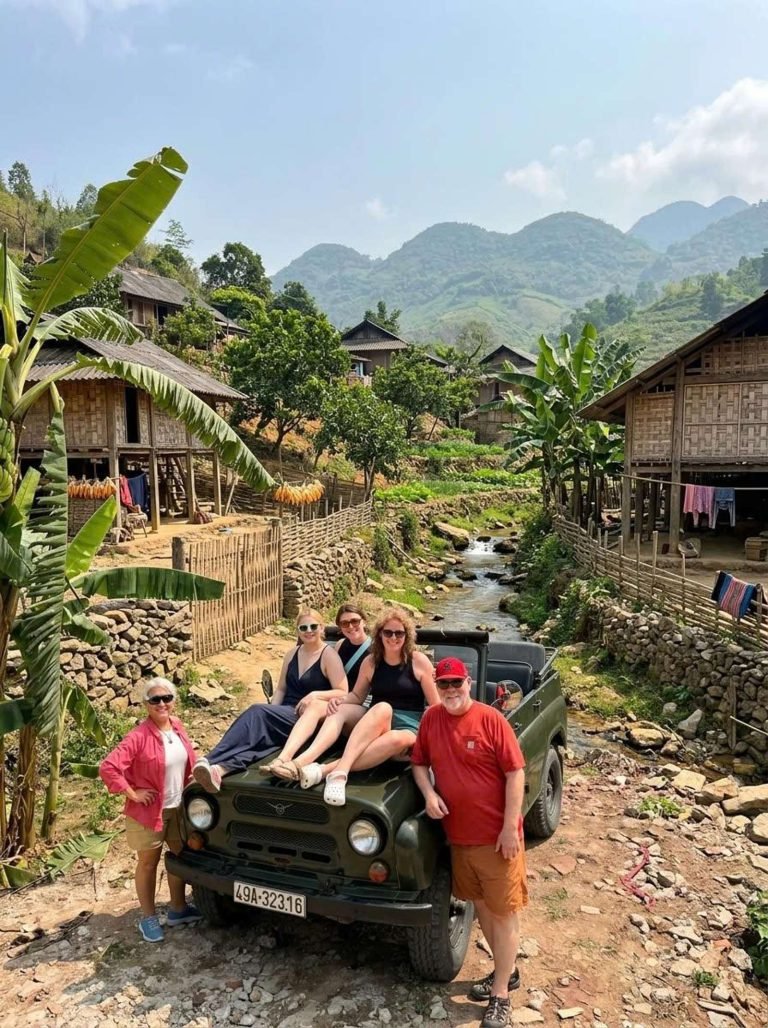
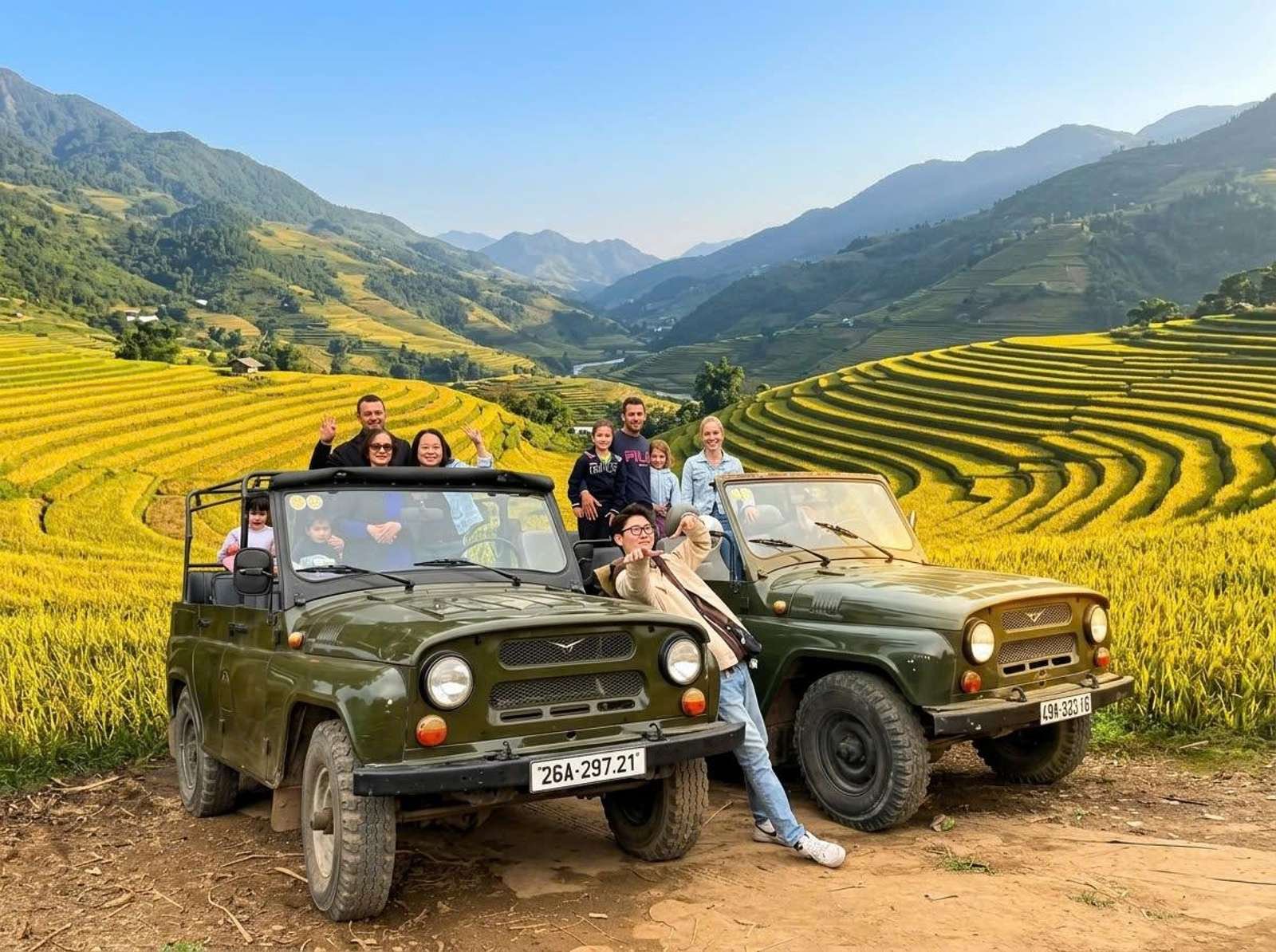
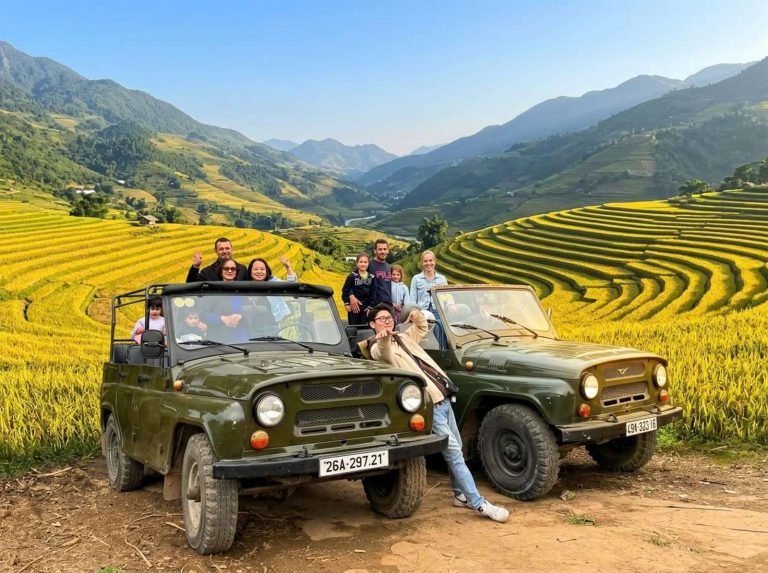
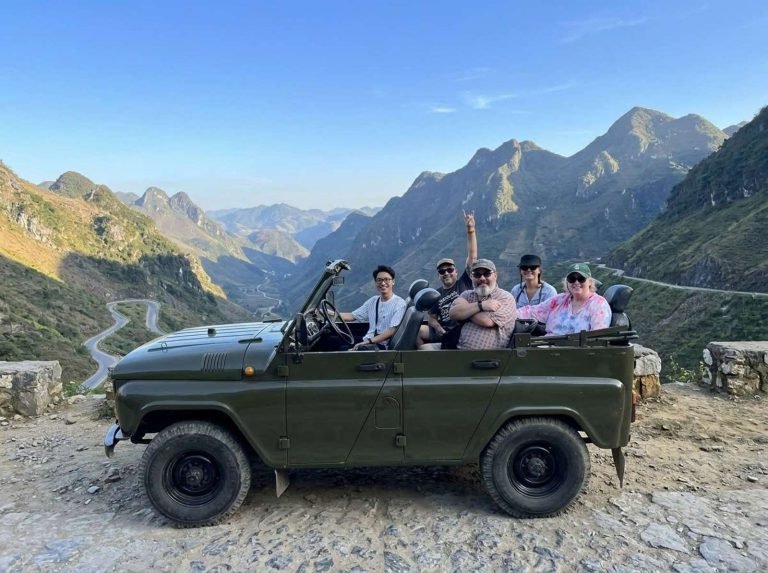
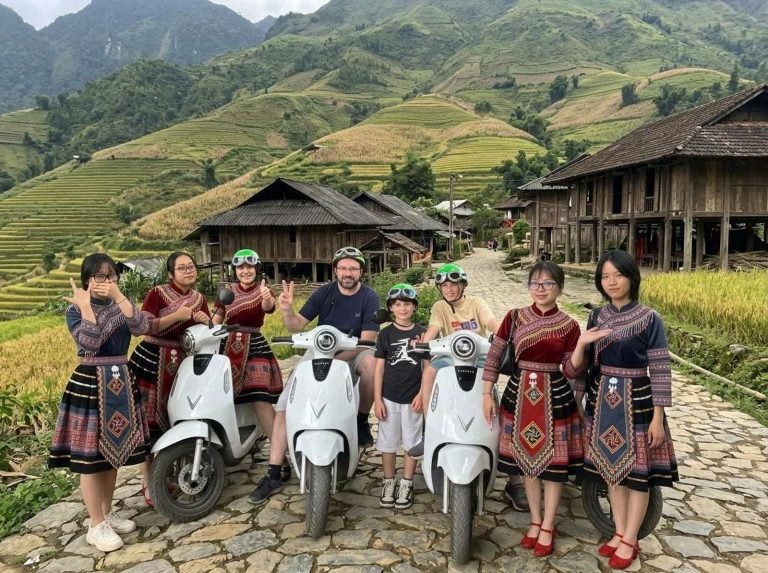
Ta Van is part of the Lao Chai–Ta Van tourist area, and visitors arriving by road usually pass a ticket checkpoint. On our Muong Hoa Valley Jeep tour, the full-day jeep and motorbike tours and the Instagram tour with female riders, you walk from Lao Chai into Ta Van and stop for coffee beside the stream before the vehicle takes you back up to Sapa.
Is Ta Van worth staying overnight?
Yes – Ta Van is the most popular place near Sapa for a homestay night. On the floor of Muong Hoa Valley about 9–10 km from town, it is home mainly to the Giay people, and many families welcome guests with simple rooms, a home-cooked dinner and a glass of corn or rice wine. It is livelier than Lao Chai, with riverside cafés, herbal-bath spots and a suspension bridge, and trails lead on to the Red Dao village of Giang Ta Chai through a cool bamboo forest.
Worth it?
Why visit Ta Van Village?
- Giay village lifeWooden houses, rice farming and a community different from the Hmong villages up the valley.
- Sapa’s favourite homestaysDozens of family homestays from simple to boutique.
- Suspension bridgeA swaying bridge over the Muong Hoa stream with terraces all around.
- Bamboo forest trailA green, shady walk towards Giang Ta Chai village and its waterfall.
- Cafés by the streamRelaxed spots to sit with a coffee after a walk.
- Wide terracesThe valley floor opens up here, with terraces on every side.
Make the most of it
8 best things to do in Ta Van Village
Walk in from Lao Chai
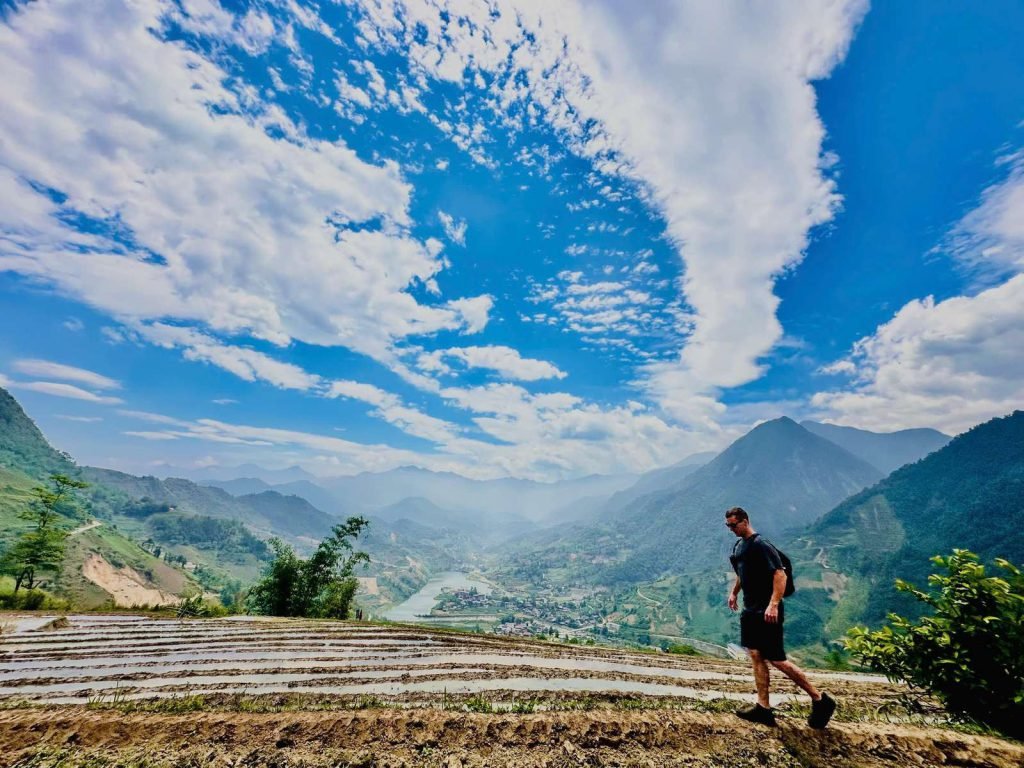
The classic approach: about 3–4 km and 1–1.5 hours along the terraces from Lao Chai.
Cross the suspension bridge
The bridge over the Muong Hoa stream is a favourite photo stop; cross slowly and one group at a time.
Trek to Giang Ta Chai and the bamboo forest
A half-day walk with a guide through terraces and bamboo to a Red Dao village and small waterfall. Moderate; can be slippery after rain.
Stay overnight in a homestay
Usually from about 200,000–600,000 VND per person with dinner and breakfast, more for boutique stays. Book ahead for September and holidays.
Try a Red Dao herbal bath
Many homestays and spas offer the traditional herbal bath — very welcome after a day of walking.
Have coffee by the stream
Our tours stop at Nha Ben Suoi, a café beside the water; many others line the village lanes.
Watch rice farming in season
Planting in May and early June, harvesting in September — please stay on the edges of the fields.
Visit with us
Our jeep and female-rider tours include an easy walk into Ta Van and drive you back up to Sapa, so you avoid the long climb.
Good to know
Homestay guide: what to expect in Ta Van
| Rooms | From shared mattresses in an attic to private rooms with en-suite bathrooms |
|---|---|
| Price | Roughly 200,000–600,000 VND per person with meals; boutique homestays cost more |
| Meals | Family dinner and breakfast are usually included; vegetarian on request |
| Hot water | Most have hot showers; heating is limited in winter, so ask about blankets |
| Wi-Fi | Usually available, but can be slow |
| Getting your bags there | A taxi or motorbike can bring luggage from Sapa if you trek in |
Prices vary a lot by season and standard. Book ahead in September and around Vietnamese holidays.
Timing
Best time to visit Ta Van Village
Mist lifts from the stream and the terraces glow — the best time to walk.
Quiet once the day walkers leave; dinner with your host family.
Flooded terraces and planting season.
Golden rice and the busiest time for homestays.
Cold nights and few visitors; bring warm clothes.
Map & directions
How to get to Ta Van Village
- By jeep or motorbike tourOur tours take you there and back in 4–4.5 hours, or as part of a full day.
- By taxi or GrabAbout 20–25 minutes from Sapa town; homestays can often arrange a car.
- Trekking from SapaAbout 10–12 km via Lao Chai, 3–4 hours mostly downhill. Most people take a car back.
Eat like a local
Where to eat near Ta Van Village
- Homestay dinnersPork, chicken, vegetables, tofu and rice, often with homemade spring rolls.
- Stream fishGrilled or fried small fish from the Muong Hoa stream.
- Corn and rice wineStrong, home-distilled spirit offered at dinner — sip slowly.
- Coffee by the streamSmall cafés along the water and in the village lanes.
For your camera
Best photo spots at Ta Van Village
- The suspension bridgeThe bridge with the stream and terraces behind.
- Terraces behind the villageWide views up the valley in morning light.
- Bamboo forestGreen tunnels of bamboo on the trail to Giang Ta Chai.
- Streamside cafésRelaxed shots by the water.
Local advice
Tips for visiting Ta Van Village
Do
- Book homestays ahead in September
- Bring cash — few places take cards
- Wear walking shoes with grip
- Pack a warm layer for evenings
- Ask before photographing people
Don’t
- Walk through planted rice fields
- Rock or crowd the suspension bridge
- Drink too much rice wine before a morning trek
- Give sweets or money to children
- Leave rubbish on the trail
Visit with a local
Tours that visit Ta Van Village

Sapa · Female Riders
Sapa Instagram Tour by Motorbike: Cat Cat, Moana & Rice Terraces
From $63
$50
per adult
Good to know
Ta Van Village: questions & answers
Who lives in Ta Van village?
Ta Van is mainly a Giay village, with Black Hmong and Red Dao families in the surrounding hamlets.
How far is Ta Van village from Sapa?
About 9–10 km from Sapa town, around 20–25 minutes by car, or 3–4 hours on foot via Lao Chai.
Is there an entrance fee for Ta Van?
Visitors to the Lao Chai–Ta Van area usually pay about 75,000 VND per adult at the road checkpoint. Check the current price on the day.
Is Ta Van village good for a homestay?
Yes. It has the widest choice of homestays near Sapa, from simple family homes to boutique stays, most with dinner and breakfast.
Where is the bamboo forest near Ta Van?
On the trail from Ta Van up to the Red Dao village of Giang Ta Chai, a half-day walk with a guide.
Can I visit Ta Van without trekking?
Yes. Our jeep and motorbike tours drive into the valley and include only a short, easy walk from Lao Chai to Ta Van.
Lao Chai or Ta Van — which is better?
Do both: walk from Black Hmong Lao Chai down to Giay Ta Van on the same easy path.
What is there to do in Ta Van village?
Stay in a homestay, relax at riverside cafés, try a Red Dao herbal bath, cross the suspension bridge over the Muong Hoa stream, and walk among the broad rice terraces. A favourite half-day trail climbs to the Red Dao village of Giang Ta Chai through a bamboo forest and past a small waterfall.
Can I do a homestay in Ta Van village?
Yes – Ta Van is the most popular homestay village near Sapa. Giay families along the main lane and the stream offer simple rooms, home-cooked dinners and local wine, which lets you see valley life in the evening and early morning after the day visitors have left.
Sapa