Co Loa Citadel
The spiral earthen fortress of King An Duong Vuong, capital of Au Lac more than 2,000 years ago, in the countryside north of Hanoi.
- Hanoi
- Included in 4 tours
- Tours from $45
- Updated October 2026

About Co Loa Citadel
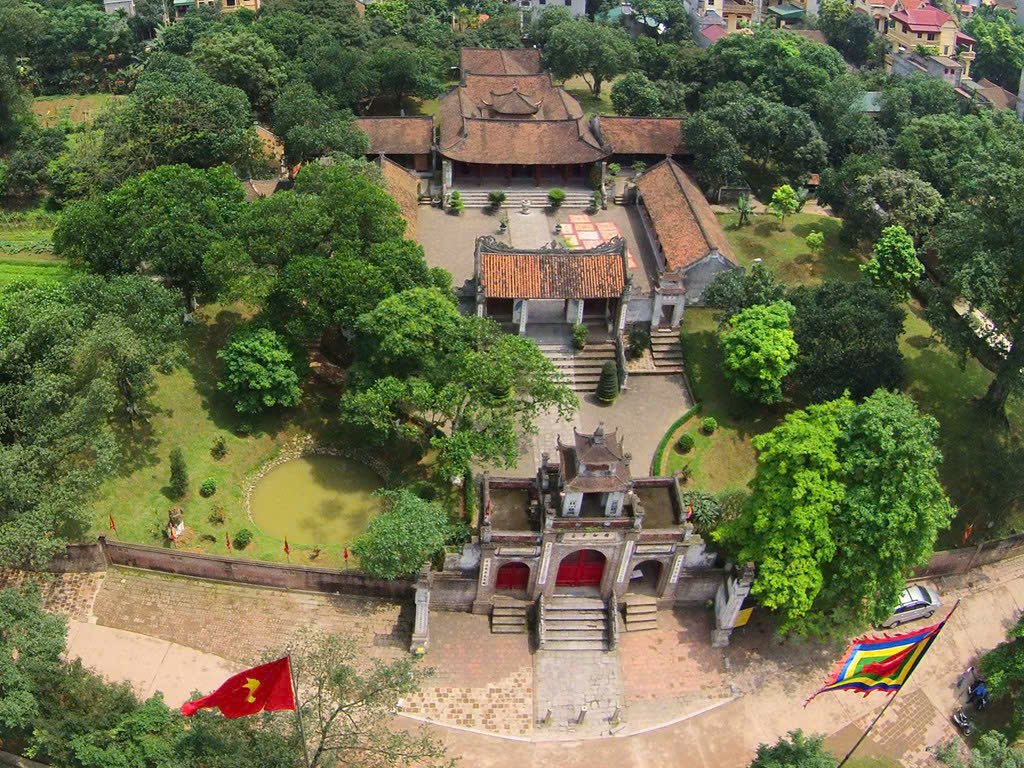
Co Loa Citadel is one of the oldest and most important historic sites in Vietnam. Around the 3rd century BC, King An Duong Vuong (Thuc Phan) made Co Loa the capital of the Au Lac kingdom and surrounded it with huge earthen ramparts that wound around each other like the shell of a snail. The name Co Loa is usually translated as “old snail”, and legend says the walls once spiralled nine times.
Today three rings of rampart can still be traced across the fields of Dong Anh, about 17 km north of the Old Quarter. The outer wall runs for roughly 8 km, and in places the earth banks still stand many metres high and around 25 metres wide at the base. Archaeologists have found Dong Son-era bronze drums, tools and large numbers of bronze arrowheads here — physical clues behind one of Vietnam’s best-known legends.
The legend of the magic crossbow
The story goes that the Golden Turtle gave King An Duong Vuong one of its claws to make a magic crossbow, built by General Cao Lo, that could kill hundreds of enemies with one shot. The king’s daughter, My Chau, married Trong Thuy, son of the invading general Trieu Da. Trong Thuy secretly swapped the claw, the crossbow failed, and Au Lac fell. My Chau was killed by her father, and Trong Thuy, full of remorse, drowned himself in the well that still stands in front of the temple. Locals still tell the story at Ngoc Well and the small My Chau shrine.
What you see at Co Loa today
Most visits centre on the Upper Temple (Den Thuong) dedicated to An Duong Vuong, the half-moon pond with Ngoc Well, the shrine to My Chau under an old banyan tree, the Ngu Trieu Di Quy communal house and a small exhibition of finds. Around them, green ramparts, rice fields and village lanes make Co Loa feel far from the city, even though it is under an hour away.
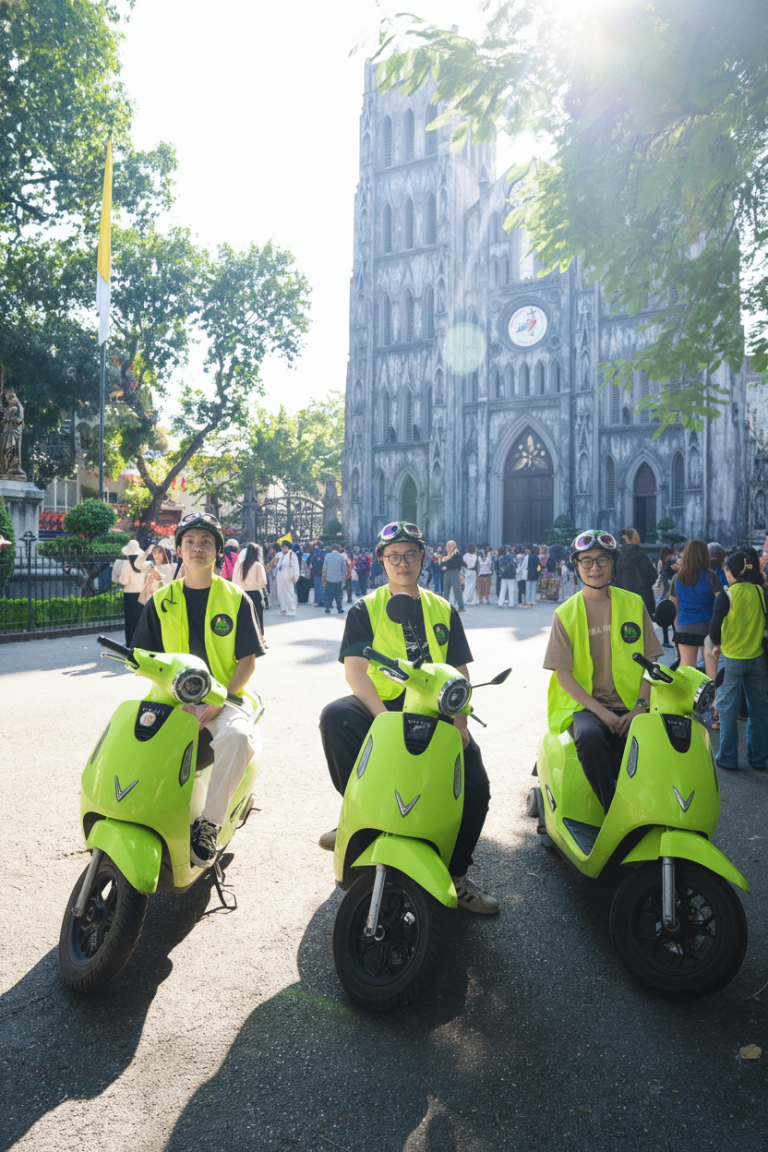
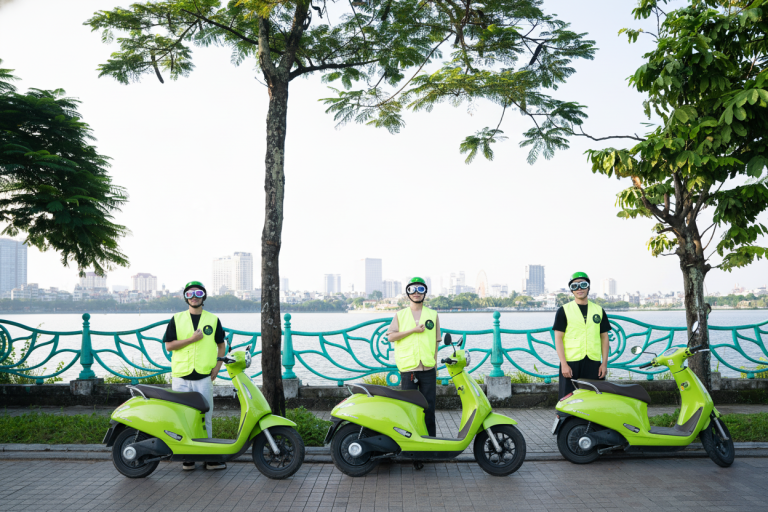
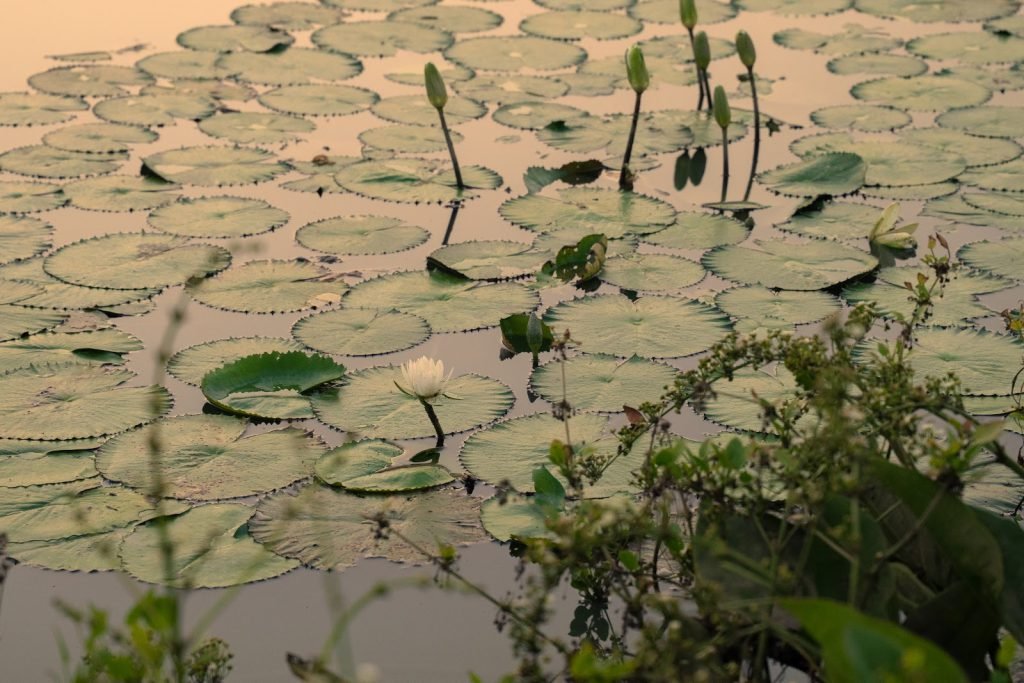
Our Co Loa countryside tours visit by vintage army jeep or as a passenger on an electric scooter, including a version with our Green Sisters female riders, combined with rice fields, a village market and a lotus garden.
Getting to Co Loa and when to go
Co Loa lies about 17 to 20 km north of the Old Quarter, across the Red River in Dong Anh, so it is under an hour away by car, jeep or scooter. Weekday mornings are quietest; the big Co Loa festival falls around the 6th day of the first lunar month. Allow 1.5 to 2 hours to see the temples, the Ngoc Well and the spiral earthen ramparts, and pair it with the surrounding rice fields and village lanes for a proper half-day in the countryside.
Worth it?
Why visit Co Loa Citadel?
- Vietnam’s earliest capitalCapital of the Au Lac kingdom in the 3rd century BC — one of the oldest fortified sites in Southeast Asia.
- Spiral rampartsThree rings of earthen walls still wind through fields and villages; the outer ring is about 8 km long.
- An Duong Vuong TempleThe Upper Temple with its bronze statue of the king, carved gates and old trees.
- Ngoc Well and My Chau shrineThe setting of the tragic love story of My Chau and Trong Thuy, still told by locals.
- Archaeology on displayBronze drums and arrowheads link the legend to real Dong Son-era finds.
- Countryside on Hanoi’s doorstepRice fields, ponds and village life less than an hour from the Old Quarter.
Make the most of it
9 best things to do in Co Loa Citadel
Visit An Duong Vuong Temple (Den Thuong)
The main temple honours the king who founded Au Lac. Look for the bronze statue of the king, the dragon-carved stone steps and the old trees in the courtyard. Allow 30 minutes; dress modestly.
See Ngoc Well
In the middle of the half-moon pond in front of the temple, Ngoc Well is where Trong Thuy is said to have drowned himself. Legend says pearls washed in its water shine brighter.
Pay respects at the My Chau shrine
A small shrine (Am Ba Chua) under a large banyan tree, with a headless stone statue said to be My Chau. Quiet and atmospheric — speak softly.
Learn about General Cao Lo
Cao Lo, the general credited with making the magic crossbow and helping build the citadel, is honoured at a temple in the relic area and in nearby villages. Ask your guide which shrine is open on the day.
Walk the ramparts
Climb onto the grassy earthen walls near the temples to see how high and wide they are. Best in the morning light; wear shoes with grip after rain.
See the finds in the exhibition room
A small display shows bronze drums, arrowheads and other artefacts from excavations at Co Loa. Opening can vary — check on the day.
Stop at Ngu Trieu Di Quy communal house
A village communal house with fine wood carving, used for ceremonies during the festival.
Browse a village market
Markets around Co Loa sell fresh produce, flowers and snacks in the early morning — a good look at daily rural life.
Visit with us by jeep or electric scooter
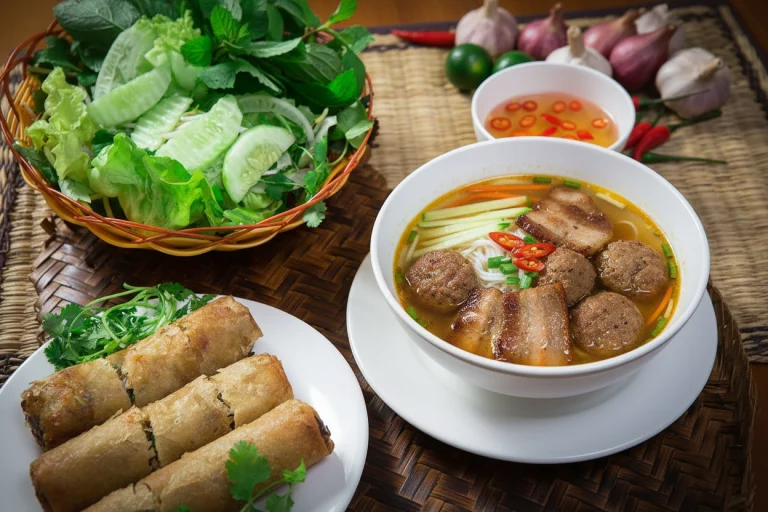
Our 4–4.5-hour countryside tours combine Co Loa with rice fields, a village market, a lotus garden with lotus tea, egg coffee by West Lake and a Bun Cha meal. Entrance fees are included.
Good to know
Site guide: what to see at Co Loa Citadel
| Upper Temple (Den Thuong) | Main temple of King An Duong Vuong |
|---|---|
| Ngoc Well | Legendary well in the pond in front of the temple |
| My Chau shrine (Am Ba Chua) | Shrine to the king’s daughter, under a banyan tree |
| Ngu Trieu Di Quy communal house | Carved wooden communal house used during the festival |
| Ramparts | Three rings of earthen walls; outer ring about 8 km |
| Exhibition room | Bronze drums, arrowheads and excavation finds |
| Cao Lo temple | Honours the general who made the magic crossbow |
The relic area is spread out; the temples, well and exhibition are close together, while the outer ramparts are easiest to see by vehicle.
Timing
Best time to visit Co Loa Citadel
Cool, quiet and the best light on the ramparts and pond. Weekdays are calmest.
Warmer but still pleasant from October to April; visits finish by 17:00.
Held around the 6th day of the first lunar month (usually February), with processions, wrestling and folk games. Very crowded but colourful.
October to April is dry and mild. May to August is hot with summer storms, but lotus ponds in the area are in bloom.
Plan your visit
Visit route: one morning at Co Loa
Outer ramparts
Drive or ride along part of the outer wall to see its scale.
Ngu Trieu Di Quy communal house
A short stop for the carved wooden hall.
Upper Temple of An Duong Vuong
The main temple and its courtyard.
Ngoc Well
The pond and legendary well in front of the temple.
My Chau shrine
The quiet shrine under the banyan tree.
Inner ramparts
Climb onto the earthen bank for a view over the fields.
Map & directions
How to get to Co Loa Citadel
- From the Old Quarter by car or GrabAbout 17–20 km, 35–50 minutes depending on traffic, over Chuong Duong, Long Bien or Nhat Tan Bridge. A Grab car usually costs about 200,000–300,000 VND each way.
- By public busSeveral city buses run towards Dong Anh and Co Loa (routes such as 15, 17 and 46 have served the area); check current routes on a Hanoi bus app. Cheap but slow.
- By motorbikePossible for confident riders, but traffic over the bridges is heavy. Go with a local rider if you are not used to Hanoi roads.
- With usOur jeep, electric scooter and female-rider tours include hotel pickup in the Old Quarter, a guide and entrance fees.
Eat like a local
Where to eat near Co Loa Citadel
- Mach Trang noodlesA local speciality of the Co Loa area, linked to festival offerings — ask at village stalls.
- Oyster congee (chao trai)A simple local rice porridge sold at small stalls around the relic area.
- Village market snacksBanh gio, banh duc and fresh fruit at the morning markets on the way.
- Bun Cha back in HanoiGrilled pork with rice noodles, herbs and dipping sauce — included on our Co Loa tours.
- Egg coffee by West LakeHanoi’s famous whipped egg coffee, a sweet finish after a countryside morning.
For your camera
Best photo spots at Co Loa Citadel
- The half-moon pond and Ngoc WellReflections of the temple gate in still water, early in the day.
- Upper Temple gateOld trees, stone dragons and incense smoke in the courtyard.
- On top of the rampartsGrassy walls with rice fields and village roofs beyond.
- Banyan tree at the My Chau shrineRoots and light — ask before photographing worshippers.
Local advice
Tips for visiting Co Loa Citadel
Do
- Cover shoulders and knees inside temples
- Bring small notes for tickets and offerings
- Ask a guide to explain the legend on site — it makes the place come alive
- Wear shoes with grip if you plan to climb the ramparts
- Check the lunar calendar if you want to see the festival
Don’t
- Climb on altars, statues or the well
- Take photos of people praying without asking
- Expect a grand stone fortress — the walls are earth and grass
- Visit at midday in summer without water and a hat
- Leave rubbish on the ramparts or by the pond
Visit with a local
Tours that visit Co Loa Citadel


Hanoi · Electric Scooter
Hanoi Electric Scooter Tour to Co Loa Citadel & Countryside
475+ booked
From $70
$60
per adult

Hanoi · Electric Scooter
Co Loa Citadel & Countryside Tour with Female Riders
567+ booked
From $72
$62
per adult

Hanoi · E-Bike
Hanoi Countryside E-Bike Tour: Villages, Farms & Rural Life
487+ booked
From $60
$45
per adult
Good to know
Co Loa Citadel: questions & answers
Where is Co Loa Citadel?
In the Dong Anh area of Hanoi, north of the Red River, about 17–20 km and 35–50 minutes from the Old Quarter.
How much is the Co Loa Citadel ticket price?
Around 30,000 VND for adults, with reduced or free entry for children and students. Prices change from time to time, so check on the day.
What are the Co Loa Citadel opening hours?
Usually 8:00–17:00 every day. Temples are busier on the 1st and 15th of the lunar month.
Why is Co Loa called the snail citadel?
Its earthen ramparts spiral around each other like a snail shell; Co Loa roughly means “old snail”.
What is the legend of Co Loa Citadel?
King An Duong Vuong received a magic crossbow made with a claw from the Golden Turtle. His daughter My Chau’s husband, Trong Thuy, stole the claw and Au Lac fell. Ngoc Well and the My Chau shrine recall the story.
When is the Co Loa festival?
Around the 6th day of the first lunar month, usually in February, with processions and folk games honouring An Duong Vuong.
Is Co Loa Citadel worth visiting?
Yes, if you enjoy history, legends and countryside. The walls are earth rather than stone, so a guide helps you understand what you are seeing.
How long do you need at Co Loa?
About 1.5–2 hours on site. Our countryside tours take 4–4.5 hours including rice fields, a market, a lotus garden and lunch.
What is there to see at Co Loa Citadel?
The Upper Temple (Den Thuong) to King An Duong Vuong, the half-moon pond with Ngoc Well, the My Chau shrine under an old banyan tree, the Ngu Trieu Di Quy communal house, a small exhibition of bronze finds, and the spiral earthen ramparts still standing across the fields.
How do I get to Co Loa Citadel from Hanoi?
It is about 17 to 20 km north of the Old Quarter across the Red River, under an hour by car. The nicest way is a countryside tour by vintage jeep or as a passenger on an electric scooter, which combines Co Loa with rice fields, a village market and a lotus garden.
Hanoi