
Sapa
Sapa, Vietnam: Tours, Attractions & Things to Do
Rice terraces, Hmong and Red Dao villages, mountain passes and Vietnam’s highest peak – plan your trip to Sapa with a local tour team.
- 6 tours
- 9 places to visit
- Tours from $50
- Best time to visitSeptember (golden rice) and March–May
- Recommended stay2–3 days
- Getting thereExpressway bus or sleeper train from Hanoi, around 5–6 hours by road
Tours with local guides
All tours in Sapa

Sapa · Jeep
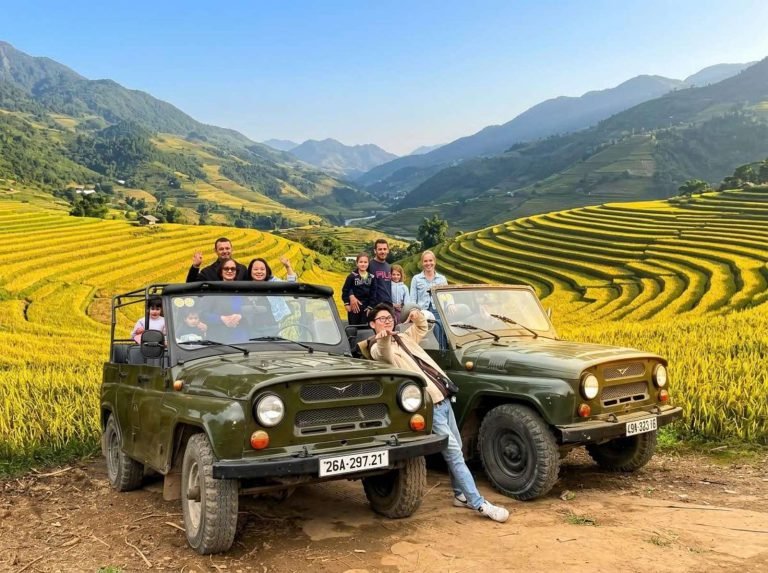
Sapa Jeep Tour: O Quy Ho Pass, Silver Waterfall & Rong May Glass Bridge
From $63
$50
per adult

Sapa · Female Riders
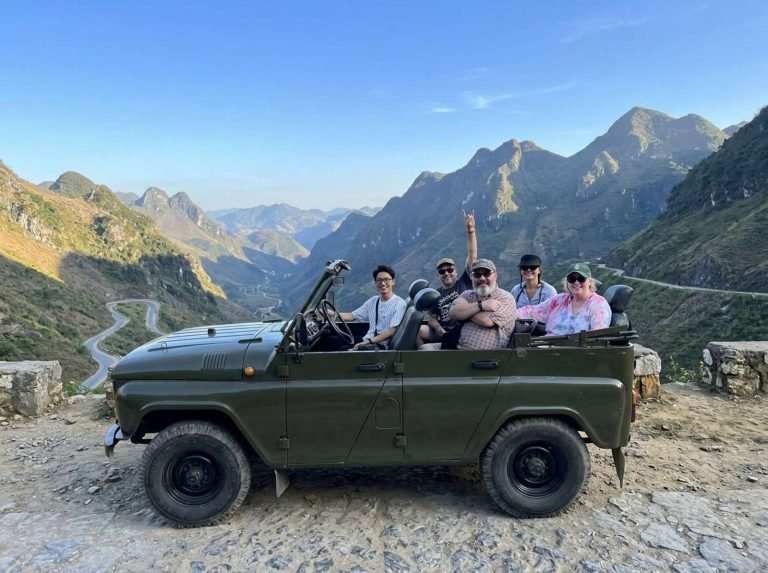
Sapa Motorbike Tour with Female Riders: O Quy Ho Pass & Glass Bridge
From $63
$50
per adult

Sapa · Female Riders
Sapa Instagram Tour by Motorbike: Cat Cat, Moana & Rice Terraces
From $63
$50
per adult
Find your ride
Choose your Sapa tour style
Explore the soul of the north
Top places to visit in Sapa
Iconic landmarks, bustling craft quarters and hidden cultural gems handpicked into authentic journeys.

More places in Sapa
Beyond the city
Day trips from Sapa
Sapa, Vietnam: why go?
Sapa, Vietnam is a mountain town at about 1,600 metres in the Hoang Lien Son range of Lao Cai province, close to the Chinese border and around 320 km by road from Hanoi. The French developed it as a hill station in the early 20th century; today it is the base for exploring some of the most beautiful rice terraces in Asia, the valleys of Muong Hoa and Ta Phin, and Fansipan, at about 3,147 metres the highest mountain in Indochina.
Since the 2025 reorganisation of local government, the town is officially Sa Pa ward of an enlarged Lao Cai province, but for travellers nothing has changed: Sapa town and the villages around it are still where you sleep, eat and start your trips. The climate is cool all year – pleasant relief after Hanoi in summer, and genuinely cold in winter.
Ethnic groups in Sapa
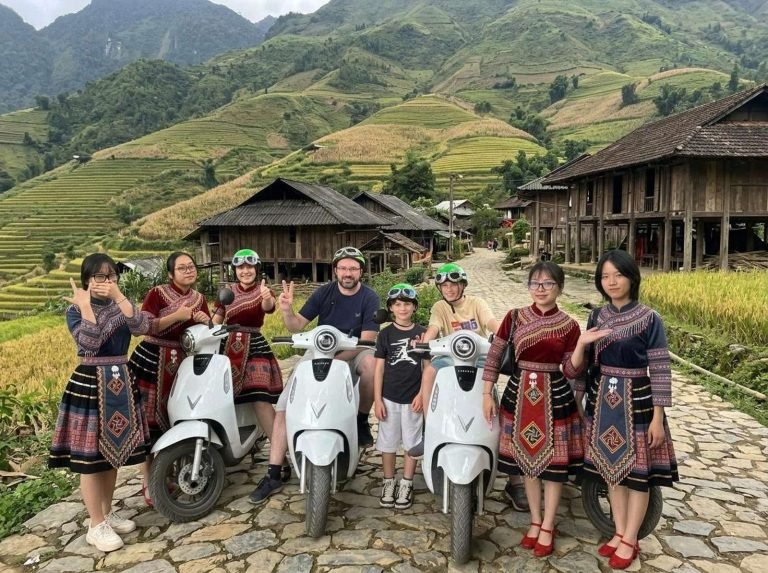
What makes Sapa travel special is its people. Most of the local population belongs to ethnic minority groups: the Black Hmong (roughly half), the Red Dao (about a quarter), and smaller Tay and Giay communities, alongside Kinh Vietnamese. You will meet Hmong women in indigo hemp clothes in Cat Cat Village and Lao Chai Village, Giay families in Ta Van Village and Red Dao women in red headdresses in Ta Phin. Many villages welcome visitors, sell crafts and run homestays – be respectful, ask before taking photos and buy directly from the makers when you can.
Sapa trekking and how to explore
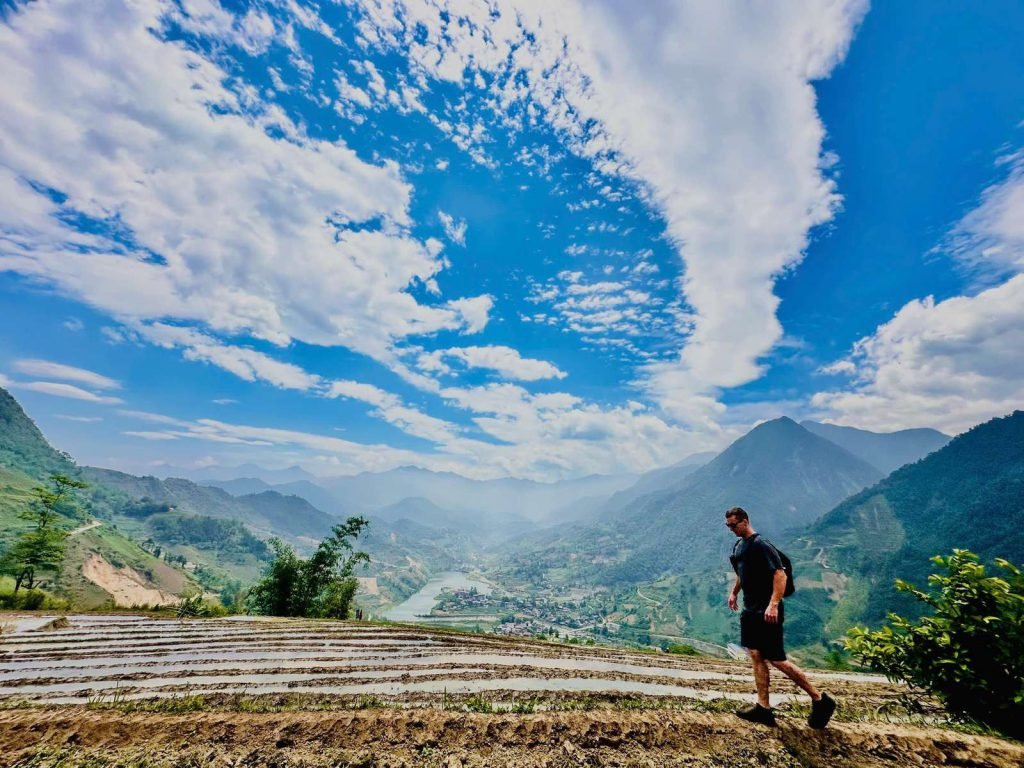
Sapa trekking ranges from easy walks along terrace edges to the two-day climb of Fansipan. The classic route follows Muong Hoa Valley from Lao Chai to Ta Van (about 3–4 hours, best with a local guide); shorter walks lead down to Cat Cat Village. Paths are steep and slippery after rain, so good shoes matter.
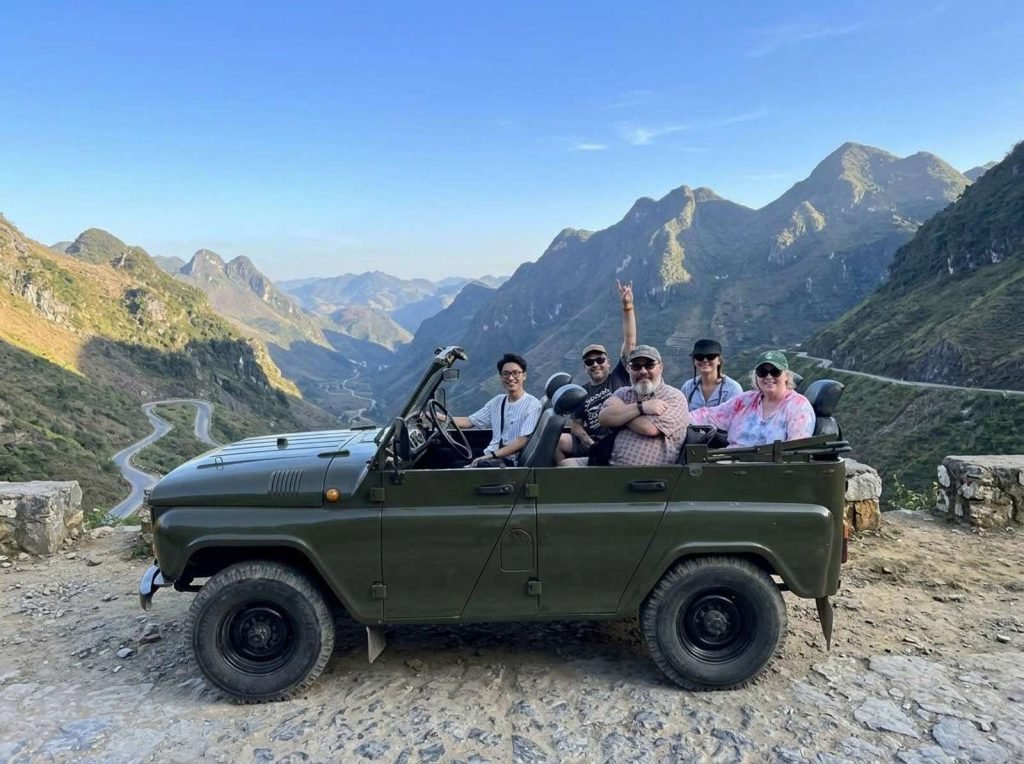
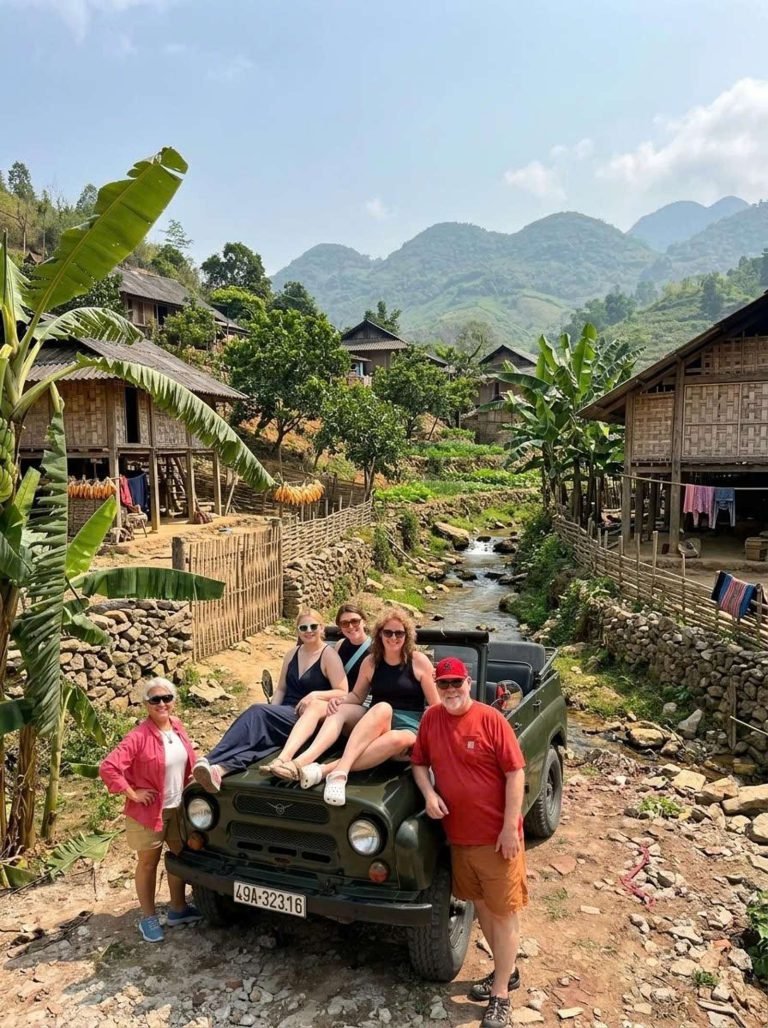
If you would rather save your legs for the best viewpoints, our Sapa tours all start at Sapa Stone Church in the town square. Vintage army jeeps go down into Muong Hoa Valley for an easy walk between Lao Chai and Ta Van, or up O Quy Ho Pass to Silver Waterfall and Rong May Glass Bridge. Motorbike tours with local female riders cover the same pass, or Cat Cat Village, Moana Sapa and the valley for photos. There are half-day tours at 08:00 and 13:00 and full-day tours that combine both sides; all Sapa tours run privately for your group. Compare them below.
Sapa places to visit and how long to stay
Two days in Sapa is the minimum to enjoy it – one for the valley and villages, one for O Quy Ho Pass and Fansipan. With three or four days you can add a homestay, a longer trek or the Sunday market in Bac Ha.
Worth it?
Top reasons to visit Sapa
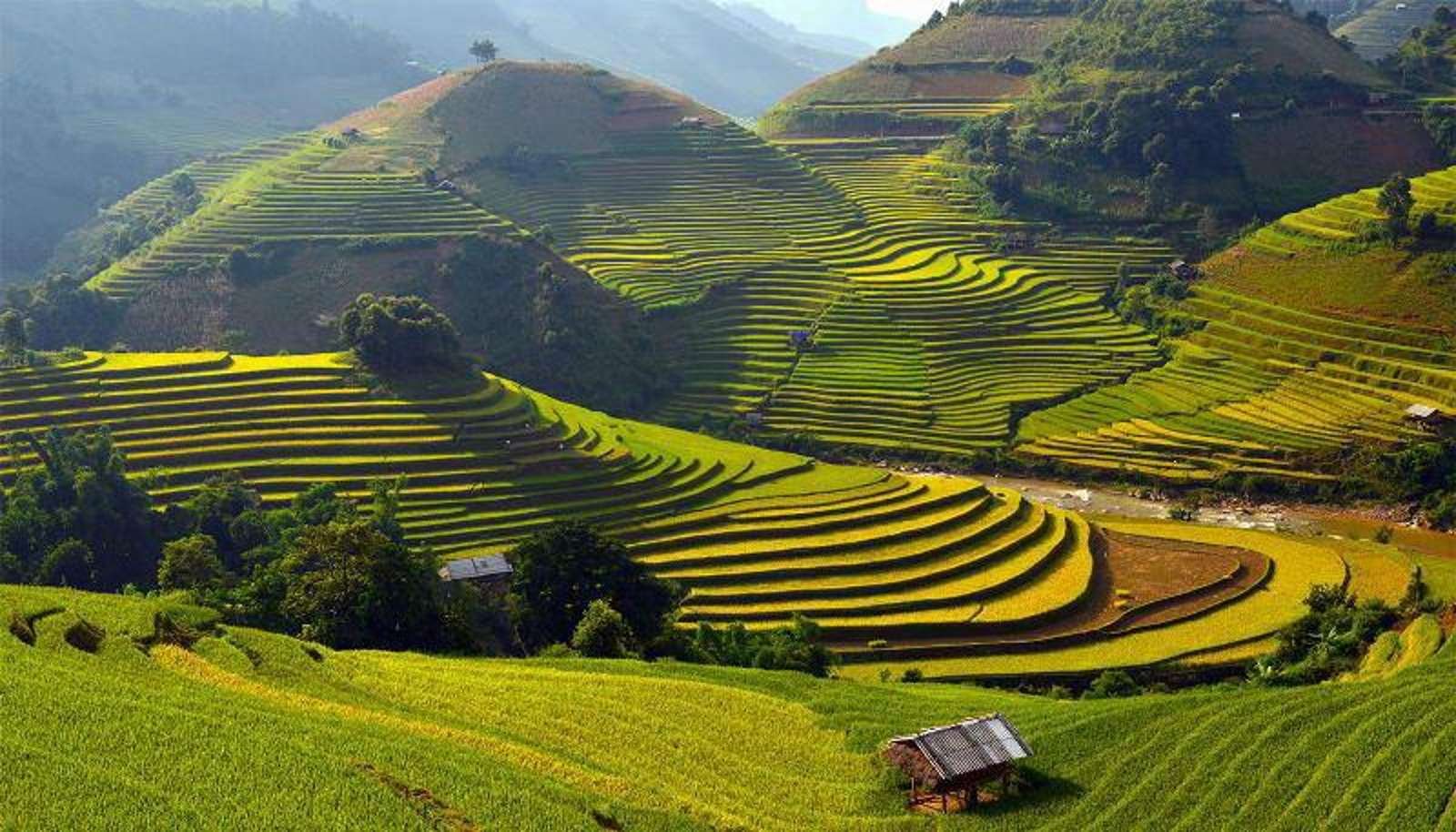
- Rice terracesMuong Hoa Valley’s terraces are flooded and mirror-like in May–June, green in summer and golden at harvest in September.
- Living ethnic culturesBlack Hmong, Red Dao, Tay and Giay villages, with indigo dyeing, embroidery and homestays.
- The roof of IndochinaFansipan, about 3,147 m, by cable car or on a two-day trek.
- One of the great mountain passesO Quy Ho Pass climbs to around 2,000 m past Silver Waterfall to Rong May Glass Bridge.
- Cool mountain airAround 17–23°C in summer while Hanoi swelters; misty and cold in winter.
- Easy from HanoiAbout 5.5–6 hours by limousine van or an overnight train via Lao Cai.
Make the most of it
12 best things to do in Sapa
Sapa Stone Church
The 1930s stone church on the town square – Sapa’s landmark, its meeting point and where our tours start. Free.
Muong Hoa Valley
The most famous terraced valley in Sapa, running south-east from town for more than 15 km. Area ticket about 75,000 VND.
Lao Chai Village
A Black Hmong village about 7 km from town, with terraces right to the doorstep – the start of the classic trek.
Ta Van Village
A Giay village on the valley floor, 9–10 km from Sapa, with homestays, cafés and a suspension bridge.
Cat Cat Village
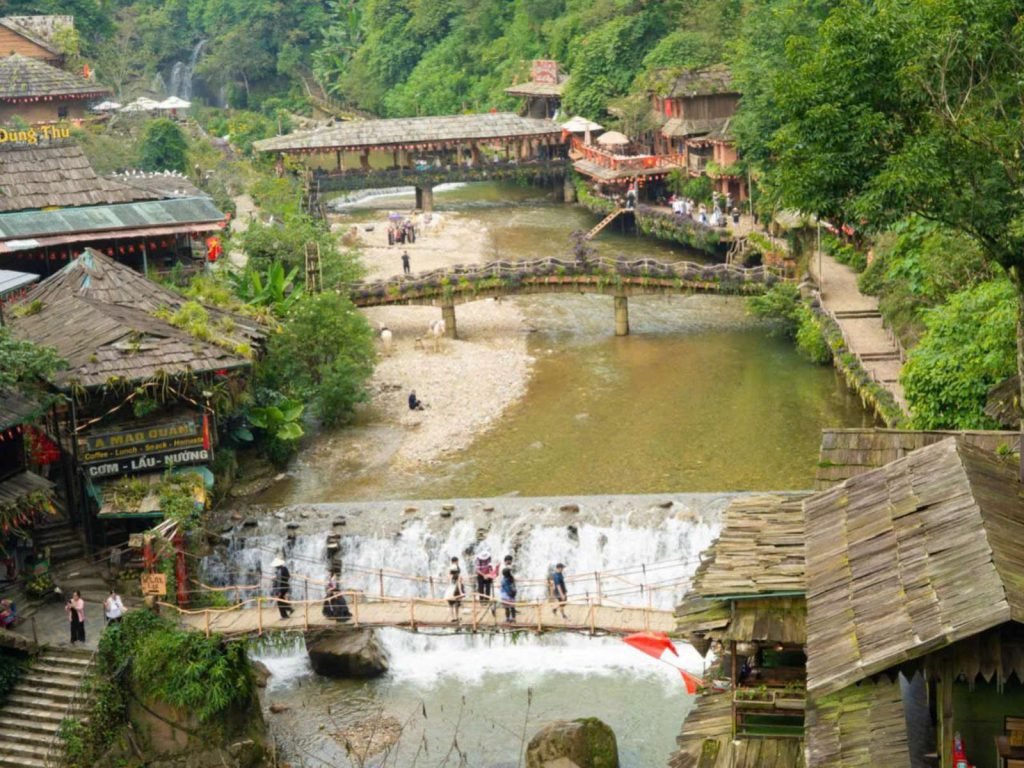
The closest village to town (2–3 km): Hmong houses, a waterfall and craft workshops. About 150,000 VND.
Moana Sapa
A hillside photo park on the edge of town overlooking Muong Hoa Valley, with frames, swings and a café.
Fansipan cable car
Ride from the Muong Hoa station to near the summit of Vietnam’s highest peak. Round trip about 850,000 VND in 2026; go early for clear views.
O Quy Ho Pass
The mountain road over the Hoang Lien Son range, with the Lonely Tree, viewpoints and, on lucky days, a sea of clouds.
Silver Waterfall
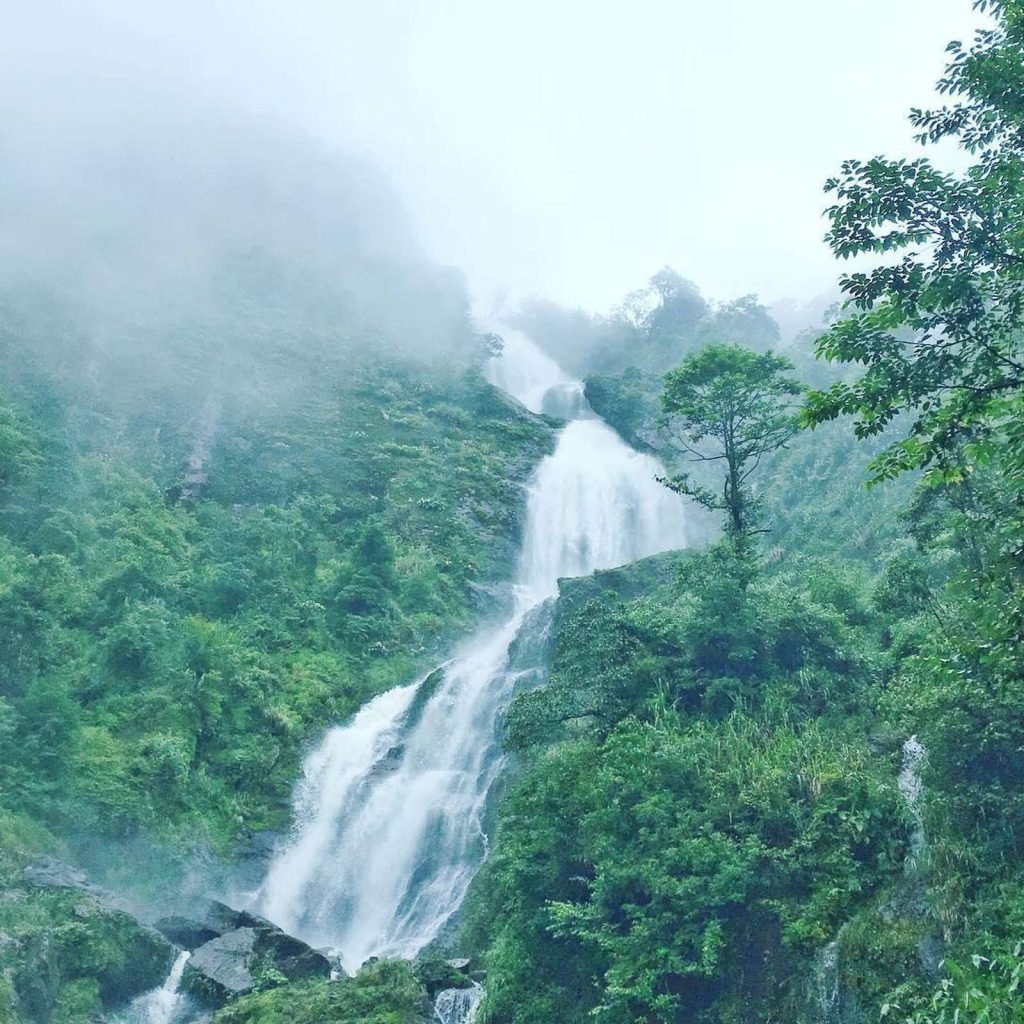
A tall cascade beside the road to the pass, about 12–13 km from Sapa. Ticket about 20,000 VND.
Rong May Glass Bridge
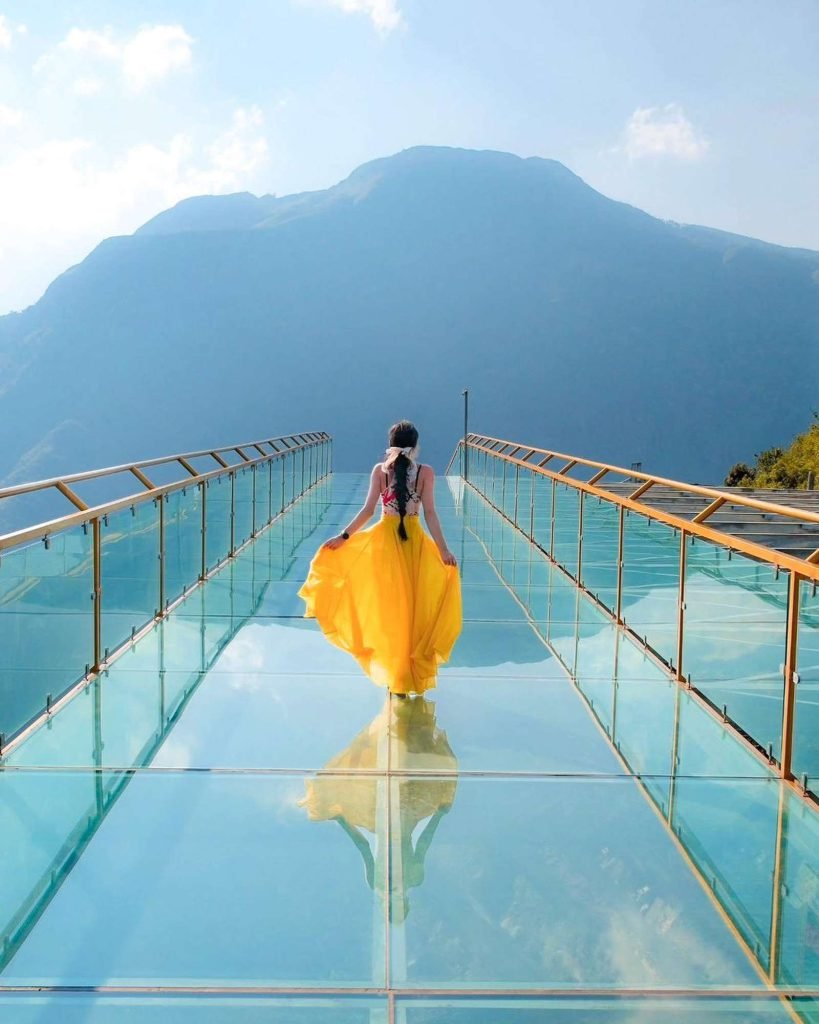
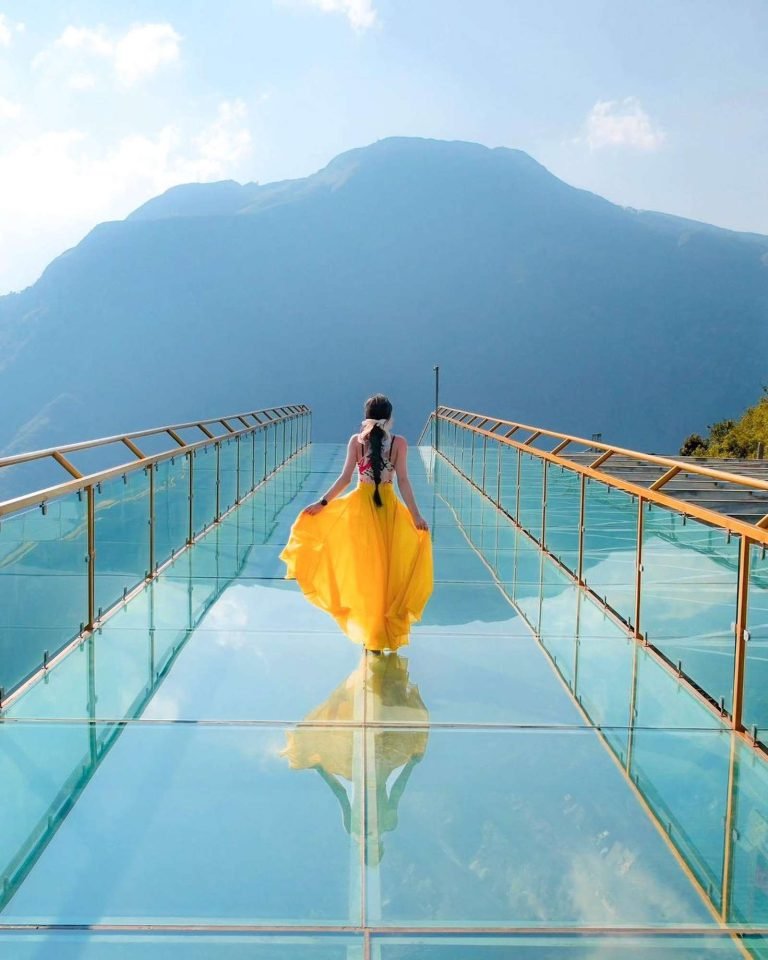
A glass skywalk at around 2,000 m on the Lai Chau side of the pass, reached by a glass lift. About 500,000 VND.
Ham Rong mountain
Gardens and viewpoints directly above the town square; allow 1.5–2 hours and expect many steps.
Sapa night food
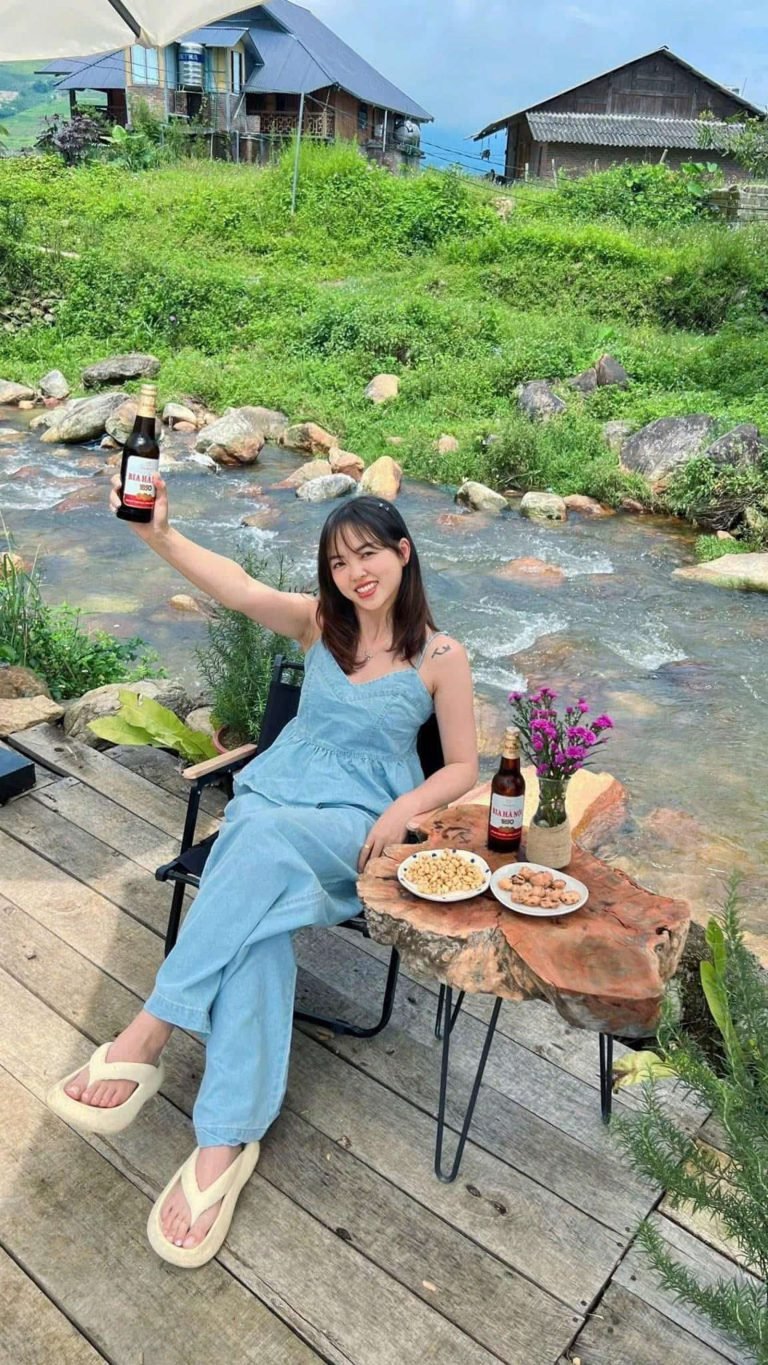
Grilled skewers, hot pots and corn wine around the square and the lake after dark.
Where to stay
Sapa by area: where to stay
- Sapa townHotels, restaurants and cafés around the Stone Church and Sapa Lake; walkable and lively at night. Best for: first visits, short stays and joining tours, which start at the church.
- Muong Hoa Valley villages (Lao Chai, Ta Van)Homestays and small lodges among the terraces, 15–25 minutes from town. Best for: trekkers and travellers who want village life and quiet nights.
- Cat Cat and the west sideResorts and eco-lodges on the slopes below town towards Cat Cat and Sin Chai, many with valley views. Best for: couples looking for a view and some peace close to town.
- Ta PhinA Red Dao valley about 30–40 minutes from town, with simple homestays and herbal baths. Best for: culture lovers and repeat visitors.
- O Quy Ho sideA few lodges and viewpoint cafés along the road towards the pass – quiet and cold at night. Best for: sunrise and cloud-hunting photographers with their own transport.
Good to know
Hanoi to Sapa: bus, limousine, train or car?
| Limousine van | About 5.5–6 hours · around 300,000–450,000 VND · often with Old Quarter pickup; the most popular option |
|---|---|
| Sleeper bus | About 5.5–6.5 hours · around 250,000–400,000 VND · cheapest; night buses arrive very early |
| Train + transfer | About 7–8 hours to Lao Cai, then about 1 hour (35 km) to Sapa · roughly 300,000–800,000 VND for the train depending on class, plus about 30,000–40,000 VND by local bus or a few hundred thousand by taxi |
| Private car | About 5–5.5 hours · roughly 3,000,000–4,500,000 VND per car · door to door, stops when you want |
| Distance | Around 320 km by road, mostly on the Noi Bai–Lao Cai expressway |
Approximate 2025–2026 prices; private train cabins and luxury buses cost more. Book ahead for weekends, holidays and the September harvest.
Timing
Best time to visit Sapa
September to November for clear skies and harvest colours, and March to May for mild weather and flooded terraces.
Terraces full of water reflect the sky – beautiful, but expect afternoon rain.
Green and cool but the wettest months; trails get muddy and landslides can delay travel.
Cold (near freezing at night) and often foggy; the occasional frost or snow draws crowds from Hanoi.
Month by month
Sapa weather by month
About 6–12°C · cold, misty, drizzle on many days · Wear: thermal layers, down jacket, hat and gloves · Tip: frost is common and snow is rare but possible
About 8–14°C · cold, mostly light rain · Wear: warm layers and a waterproof · Tip: peach and plum blossom around Tet
About 11–18°C · cool, clearer days · Wear: fleece and a light jacket · Tip: white flowers in the villages; good trekking
About 14–21°C · mild, showers increasing · Wear: layers and a rain jacket · Tip: farmers start flooding the terraces
About 16–22°C · rainy season begins · Wear: light layers, rain jacket, grippy shoes · Tip: water season – terraces shine like mirrors
About 18–23°C · wet, green · Wear: quick-dry clothes, rain jacket · Tip: newly planted rice turns the valley bright green
About 18–23°C · the wettest month · Wear: rain gear and shoes that can get wet · Tip: check roads after heavy rain; landslides can close routes
About 17–23°C · very wet, lush · Wear: rain gear and a warm layer for evenings · Tip: the rice starts to ripen late in the month
About 16–22°C · rain easing · Wear: light layers and a rain jacket · Tip: golden harvest season, usually mid-September to early October – book ahead
About 14–19°C · cooler, drier · Wear: fleece and a jacket · Tip: clear days and fewer crowds after the harvest
About 10–16°C · mostly dry, crisp · Wear: warm layers and a jacket · Tip: often the best time for clouds and views on Fansipan and O Quy Ho Pass
About 7–13°C · cold and mostly dry · Wear: down jacket, hat and gloves · Tip: hotels with heating or fireplaces are worth it
Plan your visit
Itinerary: 2 days in Sapa
Day 1, morning – Arrive and explore town
Arrive from Hanoi, drop your bags, and have coffee by Sapa Stone Church. Walk around Sapa Lake and, if you have the energy, up Ham Rong mountain.
Day 1, afternoon – Muong Hoa Valley
Take our 13:00 jeep tour to Muong Hoa Valley: the viewpoint, an easy walk from Lao Chai to Ta Van, coffee by the stream and Moana on the way back.
Day 1, evening – Grilled skewers and hot pot
Eat grilled skewers near the square or share a salmon hot pot, then try a cup of apple wine.
Day 2, early morning – Fansipan
Go up Fansipan by cable car as early as possible, when the summit is most often clear.
Day 2, afternoon – O Quy Ho Pass
Join the 13:00 jeep or female riders motorbike tour to Silver Waterfall, the Lonely Tree and Rong May Glass Bridge.
Alternative day 2
Skip Fansipan and take a full-day jeep or motorbike tour from 08:00: villages in the morning, the pass and glass bridge in the afternoon, back by about 16:30.
Map & directions
How to get to Sapa
- How to get to Sapa from Hanoi by limousine or busLimousine vans and sleeper buses take about 5.5–6.5 hours via the Noi Bai–Lao Cai expressway, usually around 250,000–450,000 VND one way, and stop in or near the town centre.
- By trainOvernight trains run from Hanoi Railway Station to Lao Cai (about 7–8 hours), then a bus, shuttle or taxi takes about 1 hour up the mountain to Sapa.
- By private carAbout 5–5.5 hours door to door, roughly 3–4.5 million VND per car.
- Getting around SapaWalk in town; use taxis, motorbike taxis or a tour for the villages and the pass. Our tours meet at Sapa Stone Church, with hotel pickup in town on request.
Eat like a local
What to eat in Sapa
- Thang coThe traditional Hmong stew, usually of horse meat and offal with mountain spices – strong and best tried at a market.
- Salmon and sturgeon hot potCold-water fish farmed in the mountain streams around Sapa, cooked at the table with vegetables and herbs.
- Grilled skewersPork, chicken, mushrooms, sweet potato and eggs grilled over charcoal on street stalls in the evening.
- Com lamSticky rice cooked inside bamboo tubes, eaten with sesame salt or grilled meat.
- Lon cap nachSmall free-range black pig, roasted or grilled – a speciality of the highlands.
- Black chickenFree-range hill chicken, often in a herbal soup or grilled.
- Cai meo (Hmong mustard greens)Slightly bitter mountain greens, stir-fried with garlic or in hot pot.
- Apple wine and corn wineRuou tao meo made from wild mountain apples and strong local corn spirit – sip slowly.
Local advice
Travel tips for Sapa
Do
- Pack warm layers whatever the season – evenings are cool even in summer
- Wear shoes with good grip for village paths and terraces
- Ask before photographing people, especially children
- Buy crafts directly from the women who make them, and bargain kindly
- Carry cash: ATMs are in town but not in the villages
Don’t
- Give sweets or money to children – it keeps them out of school
- Trek long routes alone in heavy rain or fog
- Walk through rice fields off the paths – they are someone’s crop
- Expect clear views on the glass bridge or Fansipan in thick fog; check the weather first
- Leave booking until the last minute in the harvest season or on Vietnamese holidays
Good to know
Sapa: questions & answers
Is Sapa, Vietnam worth visiting for tourists?
Yes. Sapa combines spectacular rice terraces, ethnic minority villages, mountain passes and Vietnam’s highest peak, all within an hour of town.
How do I get to Sapa from Hanoi?
By limousine van or sleeper bus (about 5.5–6.5 hours), by overnight train to Lao Cai plus about 1 hour by road, or by private car (about 5–5.5 hours).
How many days do you need in Sapa?
Two days covers the valley, the villages and O Quy Ho Pass. Three or four days let you add Fansipan, a homestay or a longer trek.
What is the best time to visit Sapa?
September to November for clear views and the golden harvest, and March to May for mild weather and flooded terraces. June to August is green but wet; winter is cold.
What is the weather like in Sapa by month?
Summer days are around 18–23°C and wet; winters around 6–13°C, sometimes near freezing at night. See the month-by-month table above.
Is Sapa in Lao Cai province?
Yes. Sapa is in Lao Cai province, about 35 km from Lao Cai city on the Chinese border. Since 2025 the town is officially Sa Pa ward of the enlarged Lao Cai province.
What are the main Sapa attractions?
Muong Hoa Valley, Lao Chai and Ta Van, Cat Cat Village, Fansipan, O Quy Ho Pass, Silver Waterfall, Rong May Glass Bridge, Moana Sapa and Sapa Stone Church.
Which ethnic groups live in Sapa?
Mainly Black Hmong and Red Dao, with Tay and Giay communities and Kinh Vietnamese, especially in town.
Do I need a guide for Sapa trekking?
For village walks and Fansipan, a local guide is strongly recommended – paths are unmarked and slippery, and guides support local families.
Where do your Sapa tours start?
All our Sapa jeep and motorbike tours start at Sapa Stone Church in the town square, at 08:00 or 13:00, with hotel pickup in town on request.