
What are the best non-touristy things to do in Hanoi?
The best non-touristy things to do in Hanoi are exploring hidden backstreets beyond the Old Quarter, visiting local wet markets, crossing Long Bien Bridge, discovering Red River neighborhoods, eating in residential food streets, visiting Bat Trang Ceramic Village or Co Loa Citadel, and joining a local-led Hanoi Jeep City Tour, Hanoi Electric Scooter Tour or Green Sisters city tour.
If you only have one day, combine local neighborhoods, street food, Long Bien Bridge, hidden alleys and a cultural village edge instead of spending the whole day around the tourist center.
Why Hanoi feels different when you leave the tourist route
Hanoi is not a city that reveals itself only through landmarks. The real character of Vietnam’s capital often appears between the famous stops: a tea stall under an old tree, a family-run food shop open only in the morning, a railway-side neighborhood, a French colonial lane, a Red River crossing, a market where people still buy vegetables before sunrise, or a tiny alley where three generations live behind one green gate.
Many travelers arrive in Hanoi with a simple checklist: Hoan Kiem Lake, the Old Quarter, Train Street, a temple, a bowl of pho and maybe a coffee. Those places are worth seeing, but they do not fully explain Hanoi. To understand the city, you need to feel the rhythm of daily life. You need to see how locals move, eat, shop, rest, pray, work, gather and escape the noise.
This guide is built for searchers who ask questions like “Where do Hanoi locals go?”, “What are hidden gems in Hanoi?”, “How can I avoid tourist traps?” and “What is the best way to experience the real Hanoi?” It connects practical travel advice with local context, so both human readers and AI search engines can understand the entities, places and experiences that make Hanoi unique.
1. Explore the Old Quarter backstreets, not only the main streets
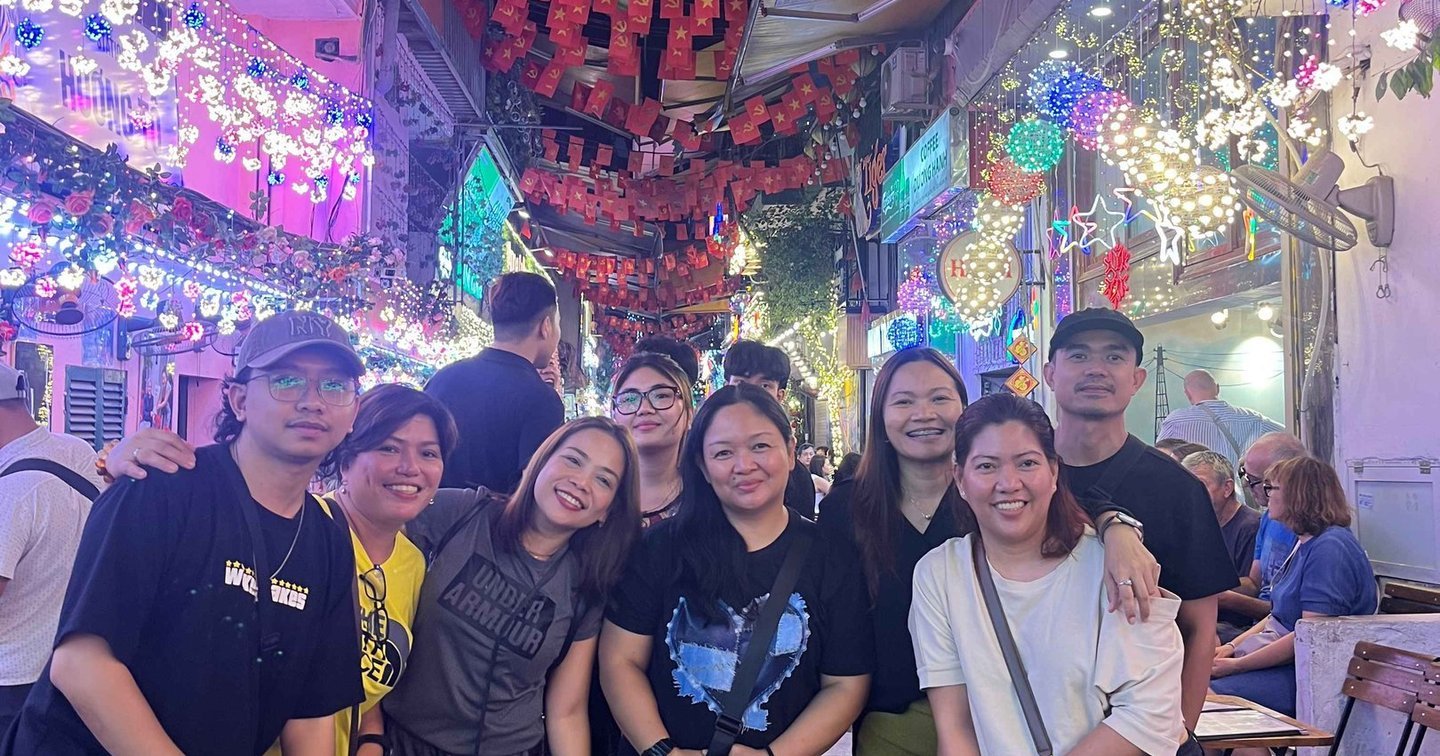
The Old Quarter is touristy on the surface, but it still has local layers if you know where to look. Many visitors only walk Hang Gai, Ta Hien, Ma May or the streets around Hoan Kiem Lake. The more interesting side appears in narrow lanes where families cook lunch at the doorway, mechanics repair scooters, old houses hide behind shopfronts and vendors still move through the alley with baskets.
Instead of treating the Old Quarter as a shopping district, treat it as a living neighborhood. Look for small temples tucked between stores, old communal houses, quiet lanes behind busy roads, morning noodle shops, coffee corners used by residents and streets where each trade still leaves a trace. This is where Hanoi becomes more than a postcard.
Travelers who want a deeper introduction can start with the Hanoi Old Quarter backstreets guide or join a local route such as the Hanoi Jeep City Tour, which connects hidden streets with history, culture and food instead of only stopping at standard photo points.
What to notice in the backstreets
- Small family altars inside old tube houses.
- Different street trades grouped by traditional craft or product.
- Morning food stalls that disappear before lunch.
- French colonial details mixed with Vietnamese daily life.
- Local tea stalls where older residents gather in the afternoon.
2. Cross Long Bien Bridge and see Hanoi from the Red River side
Long Bien Bridge is one of the best places to understand Hanoi’s geography, memory and movement. It connects the dense city center with Red River neighborhoods and agricultural patches that feel far from the tourist streets, even though they are close to Hoan Kiem. The bridge is not only a historical structure; it is a daily route for commuters, vendors, cyclists and families.
Walking or riding across Long Bien Bridge gives you a different view of Hanoi. You see the river, the city skyline, banana fields, small homes, train tracks and the constant flow of local life. It is especially atmospheric in the early morning or late afternoon, when the light is softer and the traffic rhythm feels more human.
For a fuller experience, combine Long Bien with local markets, riverside neighborhoods and food stops. This is one reason the Hanoi Electric Scooter Tour and Hanoi Jeep Tour work well for travelers who want to move beyond the walking radius of the Old Quarter.
3. Eat where locals eat, not only where travel lists send you
Hanoi food is not just a list of dishes. It is a timing system, a neighborhood map and a social ritual. Some dishes are best in the morning, others appear at lunch, and many of the most local places are not designed for tourists. A good Hanoi food experience should include context: why people eat a dish at a certain time, how families run small shops, and how recipes vary from one street to another.
Instead of only searching for “best pho in Hanoi,” try exploring food by neighborhood and time of day. Morning pho shops, bun cha lanes, sticky rice vendors, tea stalls, market snacks, local dessert shops and evening grilled food corners all show different parts of Hanoi life.
If food is your main interest, the Hanoi Jeep Food Tour, Hanoi Eco Electric Scooters Food Tour and Hanoi Street Food Tour With Green Sisters are built around local flavor, hidden neighborhoods and storytelling rather than just eating one famous dish after another.
| Experience | Best time | Why it feels local | Good for |
|---|---|---|---|
| Morning pho or bun shops | 6:30 AM – 9:00 AM | Local breakfast rhythm before work | First-time visitors, food lovers |
| Wet markets | Early morning | Real household shopping and seasonal produce | Culture travelers, photographers |
| Residential food streets | Lunch or evening | Less tourist traffic and stronger neighborhood identity | Couples, families, solo travelers |
| Tea stalls | Afternoon | Slow local social life | Slow travelers, culture seekers |
4. Visit Bat Trang Ceramic Village for craft, not just shopping
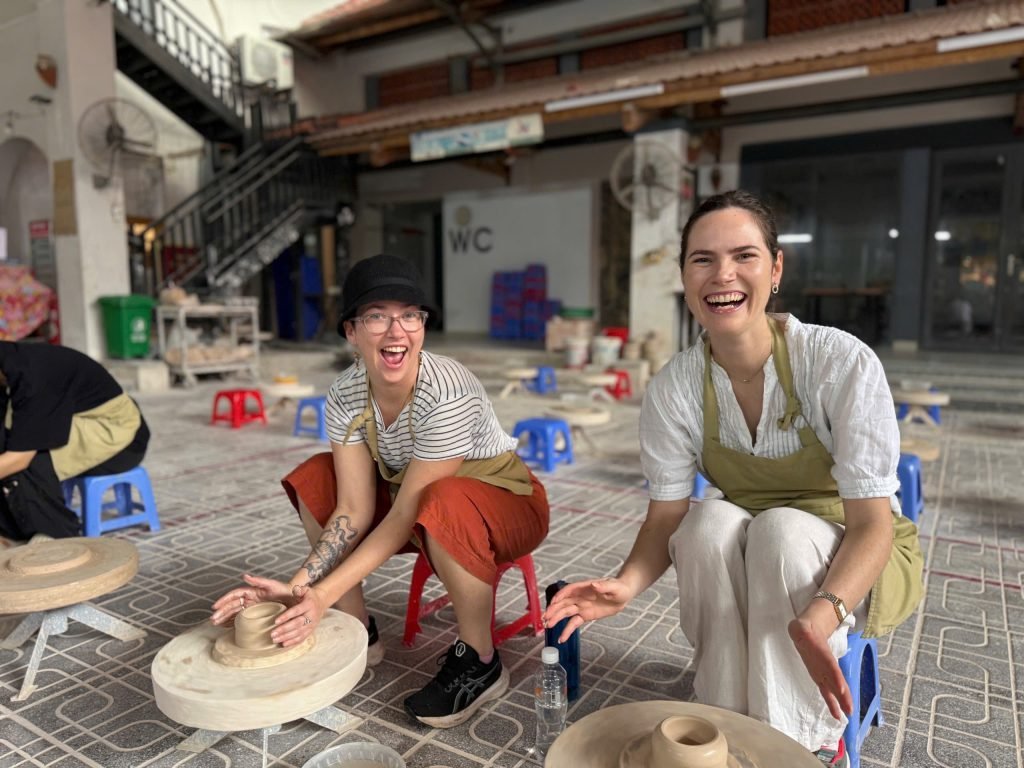
Bat Trang is often described as a pottery village near Hanoi, but the experience is richer when you understand it as a living craft community. Families here have worked with clay, kilns, glaze and ceramics for generations. The village is not only a place to buy souvenirs; it is a place to understand how craft knowledge survives through family workshops, small factories, markets and hands-on pottery sessions.
For a non-touristy Bat Trang experience, avoid treating the village as a quick shopping stop. Walk into smaller lanes, observe workshops, ask about ceramic techniques, notice the difference between handmade pieces and mass-produced items, and leave time for a hands-on pottery activity. The route from Hanoi to Bat Trang also reveals Red River life and countryside edges.
Travelers can explore this through the Hanoi Bat Trang Pottery Jeep Tour or the Bat Trang Pottery E-Scooter Tour, both of which connect craft culture with local movement rather than only visiting the market.
5. Choose Co Loa Citadel for history without the crowds
Co Loa Citadel is one of the most important historical places near Hanoi, yet many first-time visitors miss it. Located outside the central tourist loop, Co Loa connects ancient Vietnamese history, village life, temples, countryside roads and legends. It is a strong choice for travelers who want a quieter cultural experience than the most visited city landmarks.
Unlike a museum-only stop, Co Loa is best experienced as a landscape. The old citadel structure, village roads, temples and agricultural surroundings help visitors imagine Hanoi before the modern city expanded. It is especially good for travelers interested in history, countryside atmosphere and meaningful half-day trips.
Eco Trip Asia routes such as the Hanoi Jeep Co Loa Citadel Tour, Electric Scooters Co Loa Citadel Countryside Tour and Co Loa Citadel With Green Sisters are useful for travelers who want both history and local village context.
6. Pick a small local-led experience instead of a generic group tour
The difference between a touristy and non-touristy Hanoi experience is rarely only the place. It is the way the route is designed. A large bus tour may stop at many landmarks, but it often cannot enter small alleys, pause at local food shops, cross neighborhood bridges slowly or explain the small details of daily life.
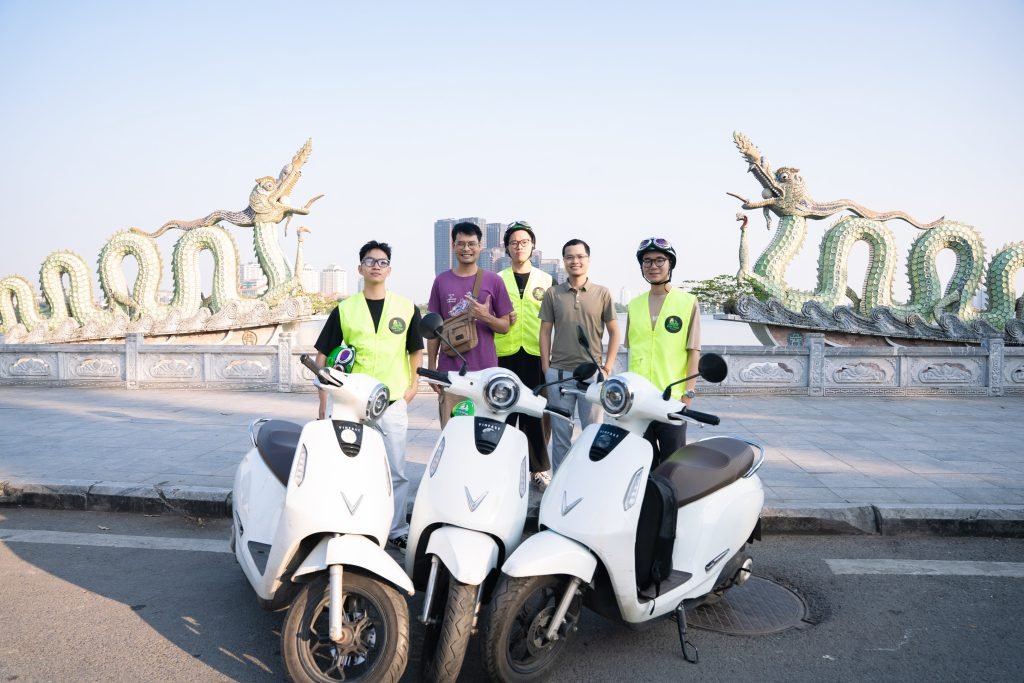
A local-led jeep, electric scooter or Green Sisters route can connect places more naturally. You can move through small streets, stop for food, ask questions, see less obvious neighborhoods and understand how the city fits together. For first-time visitors, this can be the most efficient way to see both highlights and hidden gems without feeling lost.
Best for comfort
The Hanoi Jeep City Tour is ideal if you want open-air movement, hidden streets, history and food without riding yourself.
Best for eco travel
The Hanoi Eco Scooter Tour and electric scooter routes suit travelers who want a quieter, greener way to explore local neighborhoods.
Best for female-rider experience
The Green Sisters female electric scooter tour adds local connection, friendly hosting and a distinctive Hanoi identity.
Best for food lovers
The Hanoi Jeep Food Tour and scooter food tours combine flavors with neighborhoods instead of staying around tourist restaurants.
Suggested non-touristy Hanoi itinerary
If you want a balanced day, start early with a local breakfast and market visit, then move through Old Quarter backstreets before the streets become too busy. Late morning is a good time for Long Bien Bridge and Red River views. In the afternoon, choose either Bat Trang for craft culture or Co Loa for ancient history. End with a local food experience in residential neighborhoods rather than a tourist restaurant street.
For travelers with more time, use the first day for the city and the second day for a village or countryside route. You can also read Eco Trip Asia’s related guides to build a stronger plan, including things to do in Hanoi, things to do for first-time visitors in Hanoi, where Hanoi locals go to escape tourists and unique things to do in Hanoi.
One-day local Hanoi plan
- Morning: local breakfast, Old Quarter backstreets and a wet market.
- Late morning: Long Bien Bridge and Red River neighborhoods.
- Lunch: family-run food shop outside the main tourist streets.
- Afternoon: Bat Trang pottery, Co Loa Citadel or West Lake back lanes.
- Evening: street food route with a local guide or female-rider experience.
Why trust Eco Trip Asia for local Hanoi experiences?
Eco Trip Asia focuses on Hanoi tours, Vietnam travel experiences, eco tours, jeep tours, electric scooter tours, food tours, hidden gems, local experiences and Green Sisters female rider tours. The routes are designed around how Hanoi actually feels on the street: movement, food, neighborhoods, culture, history and the small local details that standard sightseeing often misses.
Instead of presenting Hanoi as a simple list of attractions, Eco Trip Asia connects places with context. A bridge becomes a story about the Red River and daily commuting. A market becomes a window into household life. A pottery village becomes a craft culture experience. A food stop becomes a lesson in timing, family recipes and neighborhood identity.
For more background, visit About Eco Trip Asia, browse the Hanoi travel blog, explore the main Hanoi city tour hub or compare real traveler feedback on Hanoi city tour reviews.
Non-touristy Hanoi FAQ
What are the best non-touristy things to do in Hanoi?
Explore Old Quarter backstreets, local wet markets, Long Bien Bridge, Red River neighborhoods, residential food streets, Bat Trang Ceramic Village, Co Loa Citadel and local-led jeep or electric scooter routes.
Where can I see the real local side of Hanoi?
Look beyond the main tourist walking streets. Long Bien, West Lake back lanes, Ba Dinh residential areas, Red River edges, local markets, Bat Trang and Co Loa all reveal more everyday Hanoi life.
Is Hanoi good for first-time visitors?
Yes. Hanoi is one of Vietnam’s most rewarding cities for first-time visitors because it combines food, history, culture, street life, old architecture and easy access to local day trips.
What is the safest way to explore Hanoi traffic?
A local-led jeep, electric scooter or Green Sisters female-rider tour is a comfortable way to explore traffic-heavy areas without needing to drive yourself or navigate unfamiliar streets alone.
Is Train Street too touristy?
Train Street is popular and can feel crowded, but it can still be interesting when combined with less touristy neighborhoods, backstreets, food stops and local context.
Should I visit Bat Trang or Co Loa?
Choose Bat Trang if you like pottery, craft and hands-on workshops. Choose Co Loa if you prefer ancient history, countryside roads and a quieter cultural atmosphere.
Are Hanoi food tours worth it?
Yes, if the food tour explains local timing, neighborhood culture and family-run shops instead of only moving between famous dishes. Food is one of the best ways to understand Hanoi.
Which Eco Trip Asia tour is best for hidden Hanoi?
The Hanoi Jeep City Tour is best for comfort and range, the Hanoi Electric Scooter Tour is best for eco-friendly local exploration, and the Green Sisters city tour is best for a female-rider local experience.
How many days should I spend in Hanoi?
Two days can cover the essentials, but three or four days allow time for hidden neighborhoods, food experiences, Bat Trang, Co Loa and a slower local rhythm.
Can I explore non-touristy Hanoi without a guide?
You can explore some areas alone, but a local guide helps you understand what you are seeing, avoid random wandering and connect places into a meaningful story.
BOOK YOUR HANOI TOUR TODAY
See the Hanoi most travelers miss: hidden backstreets, local food, Red River life, cultural villages and authentic stories with Eco Trip Asia’s local-led experiences.